The Democratic Republic of the Congo (DRC) continues to face one of the most massive Ebola outbreaks in recent years. According to the latest data, the number of confirmed infection cases has reached 10,060, and the death toll has exceeded 4,887 people. The infection, caused by the Bundibugyo strain, began spreading in mid-May and, according to the Africa Centres for Disease Control and Prevention (Africa CDC), has become the fastest-spreading among all recorded outbreaks of this disease.
The Virus Crossed Borders of Several Countries
The epidemic has spread beyond the DRC and affected neighboring states. In Kenya, nine infection cases have been recorded, with two infected individuals dying; according to local authorities, the first patient arrived in Nairobi from the DRC via Uganda, and all subsequent cases are linked to them. In Nigeria, one case of Ebola has been confirmed. In Uganda, 20 cases and two deaths were registered during the current outbreak, but at the end of August, authorities announced the end of the local outbreak after 42 days without new cases.
The Bundibugyo Strain and Diagnostic Challenges
The Ebola virus is transmitted through direct contact with blood and other biological fluids of an infected person. The main symptoms are fever, diarrhea, and bleeding. In the early stages, the disease can resemble malaria, which complicates the timely recognition of the infection. There is currently no approved vaccine or specific treatment specifically against the Bundibugyo strain, which increases the risks of further spread.
Clinical Trials and Search for Therapy
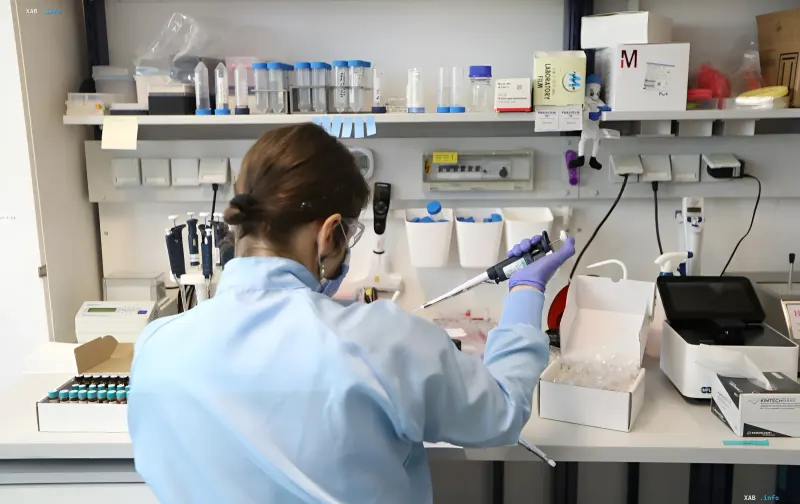
Clinical trials of two antiviral drugs have been ongoing since July. Researchers are also testing whether the Ervebo vaccine, developed against another Ebola virus variant, can provide protection against the Bundibugyo strain as well. Previously in the DRC, more than 250 people joined a trial of the experimental drug Obeldesivir, which may help prevent disease progression after exposure to an infected person.
International Response
In the summer, France recorded its first-ever case of Ebola in Europe, and an American doctor infected in the DRC was treated in a specialized unit at Berlin's Charité hospital. The World Health Organization previously warned that the new outbreak in Africa risks becoming larger than the 2014 epidemic. Amid risks of virus importation, a number of countries have tightened sanitary control at borders, including Russia's Rospotrebnadzor, which reported increased inspections of arrivals from states with confirmed Ebola cases.