In August 2026, the artificial intelligence industry reached a point of no return. Companies that were considered startups just a few years ago, such as OpenAI, Anthropic, and xAI, have transformed into global tech giants preparing for an initial public offering (IPO). However, behind the facade of trillion-dollar valuations lies a serious ecological crisis: these corporations are practically not disclosing data on their greenhouse gas emissions and are not taking on commitments to reduce their impact on the climate.
The Paradox of Transparency: Why AI Giants Are Silent
The situation appears paradoxical. Major oil and gas companies, such as ExxonMobil, have published sustainability reports for years, while tech leaders like Google, Amazon, and Microsoft have clear goals for achieving net-zero emissions. Against this backdrop, the creators of the most powerful neural networks remain in the shadows. Investors, who recently demanded environmental reporting before IPOs, are now showing remarkable indifference to the carbon footprint of the AI sector.
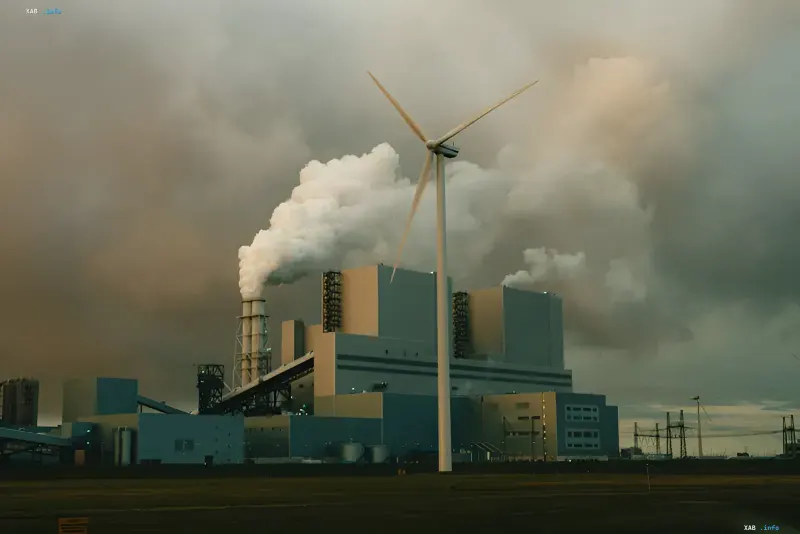
According to expert estimates, new gas power plants built specifically to supply energy to data centers in the US could generate emissions comparable to Australia's annual contribution to the climate. Nevertheless, exact figures remain a trade secret, and criticism from environmentalists does not stop companies from preparing for a public stock offering.
California Law SB253: The First Blow to Secrecy
In 2026, the situation begins to change under regulatory pressure. In November, California law SB253 comes into force, requiring companies with revenue exceeding $1 billion to disclose information on Scope 1 (direct emissions) and Scope 2 (indirect emissions from energy consumption) emissions. Importantly, the law extends its jurisdiction to company activities outside the state if they conduct business in California.
This forces giants to act. Anthropic has announced cooperation with the Watershed platform to calculate its carbon footprint. OpenAI reports coordination with data center partners to prepare reports and mentions the Stargate Community initiative aimed at integrating infrastructure with local communities. However, these steps look more like a reaction to inevitable legislative pressure than a genuine desire for environmental responsibility.
Contradictory Data
There is a significant gap between company statements and the actual state of affairs, especially in the sector related to Elon Musk. On one hand, OpenAI and Anthropic are beginning to build reporting systems. On the other hand, SpaceX and its subsidiary xAI ignore requests from journalists and regulators. xAI has already been sued for the "semi-legal" use of gas turbines to power Colossus data centers, some of which do not have emission permits. Despite this, Anthropic continues to pay billions for access to these capacities, and SpaceX's preparation for an IPO is in full swing, despite environmental scandals.
The End of the ESG Era and Political Context
The rise of the AI industry coincided with the decline in popularity of the ESG (Environmental, Social, and Governance) concept. Donald Trump's return to power weakened federal pressure on the climate agenda. Banks massively left the Net-Zero Banking Alliance, and investment funds focused on "green" criteria lost $82 billion in 2025. This created a vacuum of responsibility in which AI giants feel unpunished, believing that their technological significance outweighs the environmental damage.