In recent weeks, the Ukrainian public and expert community have been actively discussing the large-scale destruction of logistics infrastructure in Kyiv and the Kyiv region. Following a series of strikes on major warehouses and distribution centers, many are drawing parallels with the fuel crisis at the beginning of 2022. However, economists and analysts insist: these are fundamentally different situations with different causes and, more importantly, with much more serious long-term consequences.
Alexander Bondarenko, CEO of the Bureau of Investment Programs, in his column for RBK-Ukraine, analyzes in detail why the comparison with 2022 is erroneous, who is actually paying for the burnt goods, and why Ukrainians can expect rising prices in the coming months.
The analogy error: 2022 vs. 2024
The situation at the beginning of 2022, when the country faced an acute fuel shortage, was caused not by the physical destruction of infrastructure, but by management decisions and the disruption of logistics chains. Up to 50–60% of fuel was supplied to Ukraine from Russia and Belarus. When these channels were blocked, importers could not quickly reorient towards European directions.
A critical factor at that time was the Ministry of Economy's decision to introduce a price cap on gas stations. It became economically unprofitable for major market players, such as OKKO, WOG, or UPG, to import fuel, and they suspended imports. This was a crisis lasting one and a half to two months, which was resolved after the restrictions were lifted.
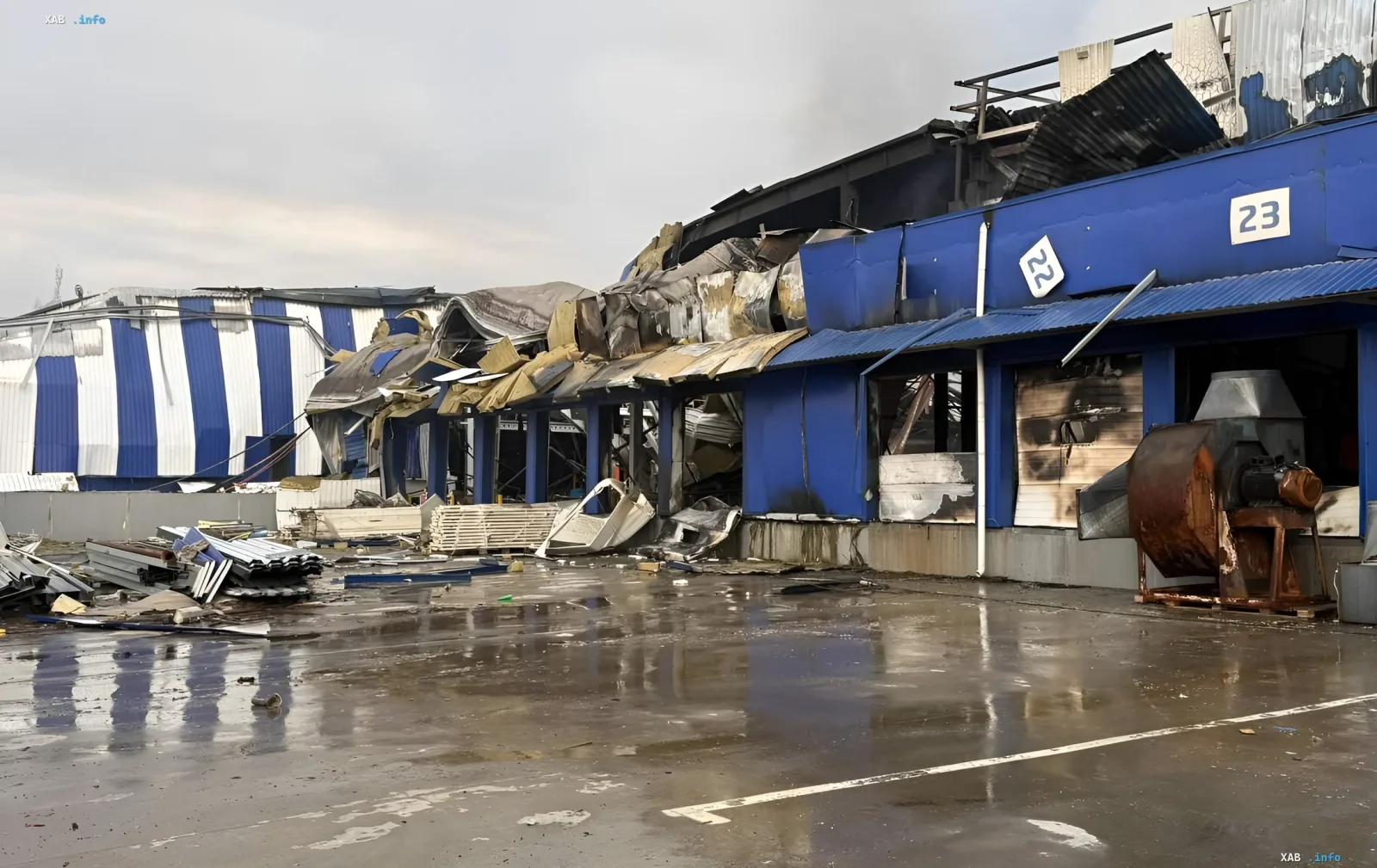
The current situation is different. The aggressor is physically destroying infrastructure using missiles and drones. This is not a matter of logistics routes or prices — it is a matter of the physical existence of facilities for storing and distributing goods. As the expert notes, the destruction of warehouses is a blow to the very possibility of conducting trade.
Regional isolation and fuel starvation
Particular concern is caused by the situation in border regions, such as the Kharkiv and Sumy regions. On the Kharkiv – Poltava highway, where about 20–25 gas stations were recently operating, the majority of them were destroyed by night strikes of reactive drones in the last one and a half months. Currently, only three or four working gas stations remain on this section. The situation from Kharkiv to Dnipro is even more critical: there are practically no operating gas stations left.
This creates a real risk that Kharkiv and Sumy will end up in fuel isolation, becoming, in essence, an energy island cut off from the rest of the country. The aggressor is deliberately trying to disrupt not only logistics but also electricity and gas supplies to these regions.
Who pays for the burnt goods?
In theory, the destruction of a warehouse should only affect the property owner, not the producer. In practice, it is different. When a large distribution center burns down, for example, the Rozetka warehouse in Brovary or the Amtel warehouse near Vishneve, goods from hundreds of third-party suppliers are destroyed along with the building.
Goods from small and medium-sized businesses were stored in the warehouses — from household appliances and food to electronics and alcohol. In the case of the Amtel warehouse, already purchased alcohol products from WineTime and Goodwine, wines from Italy and France that had been paid to suppliers in advance, were burnt.
The main question that remains unanswered is: who will compensate for these losses? In the overwhelming majority of cases — no one. The possibility of reimbursement depends on the terms of commercial contracts between the marketplace and suppliers. However, in many situations, businesses will have to independently pay off loans, pay salaries, and find money for restoration, even without receiving a kopeck in compensation.
Rising prices: an inevitable consequence
It is precisely due to the lack of compensation and insurance mechanisms that experts predict a price increase in the next one to two months by approximately 10–15%. This will happen not because logistics have become more expensive, but because producers and suppliers, who have physically lost their goods, are forced to pass the losses on to the end consumer.
Real mechanisms for insuring war risks for warehouse real estate and inventory in Ukraine today practically do not exist. Private insurers take on new projects only at high rates and after a thorough check of the location. Compensation from the state, announced by the Ministry of Economy, is symbolic — approximately 100,000 hryvnias per year, which is incomparable with real losses of tens of millions of dollars.
Contradictory data
In the context of the destruction of logistics chains and warehouses in Ukraine and Russia, there are various estimates of the scale of damage and compensation. On the one hand, Ukrainian experts point to the lack of real insurance mechanisms and the total transfer of losses to businesses and consumers. On the other hand, Russian sources (for example, LIGA.net) report strikes on Russian objects, such as the Saratov Refinery and Wildberries marketplace warehouses, where the possibility of compensation for sellers is discussed. However, in the case of Ukraine, as the analysis shows, the compensation system practically does not function, creating a unique risk for the economy.