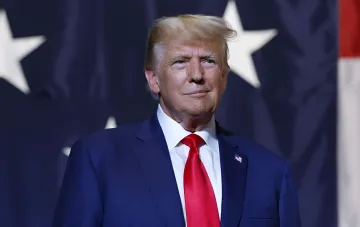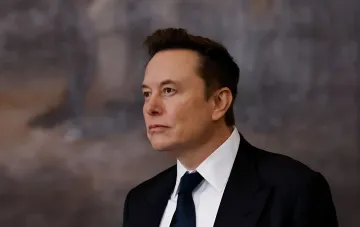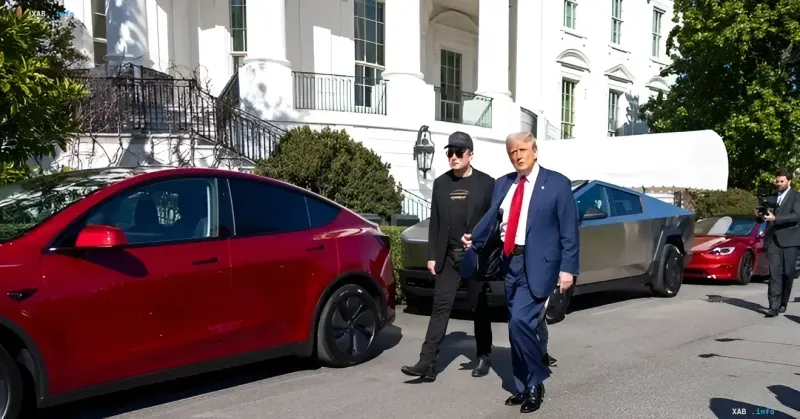
On August 15, 2026, the US political landscape underwent one of the most significant changes of the year. Billionaire Elon Musk, whose name is inextricably linked to technological progress, officially announced his intention to donate at least $100 million to support the Republican Party ahead of the midterm elections in November. This move, which became public thanks to a report by NDTV, marked the end of a multi-month period of cooling relations and open conflict between the world's richest man and US President Donald Trump.
White House Diplomacy and the Role of Intermediaries
As it turns out, the process of restoring relations between the two leaders was not spontaneous. According to sources cited by the Wall Street Journal, high-ranking administration officials worked actively behind the scenes to facilitate the reconciliation. Vice President JD Vance and White House Chief of Staff Susie Wiles played a key role in defusing the situation. They initiated contact with Musk immediately after the public verbal spat between him and the President reached its peak. Vance, in particular, believed that Musk was too important a figure for the American economy and technology to sever ties with him, and he persistently lobbied for a dialogue.
From the 'Big and Beautiful' Conflict to Personnel Changes
Disagreements between the partners began to surface as early as mid-2025. The trigger was President Trump's "Big and Beautiful" spending bill, against which the tech mogul publicly spoke out. The President's reaction was harsh: he expressed disappointment and warned of a possible reduction in all federal subsidies and contracts with Musk's companies. However, over the following months, the situation began to change thanks to a series of personnel decisions within the administration. In August of the previous year, Trump's longtime aide, Sergio Gor, with whom Musk had repeatedly clashed, was appointed US Ambassador to India. And in November 2025, Trump returned Jared Isaacman—a well-known ally of Musk—to the post of NASA Administrator, which served as a signal of readiness for dialogue.
A Symbolic Gesture and Current Status of Relations
An important factor contributing to the final rapprochement was the departure of activist Charlie Kirk. Kirk's relatives reported that he maintained contact with the SpaceX owner during the conflict. On the day of Kirk's memorial service, President Trump and Elon Musk were seen conversing, with the American leader even patting Musk on the elbow—a gesture interpreted in political circles as a sign of full trust and reconciliation. According to the Wall Street Journal, Trump and Musk now communicate once a month, discussing issues of artificial intelligence, China, and global geopolitics.
Contradictory Data
Despite the current optimism, there are nuances in the interpretation of events. Some observers point out that as early as September last year, Trump stated that he was not ready to bring the American billionaire back into his inner circle. This creates a dissonance with the current situation, where Musk has not only returned to the sphere of influence but is also prepared to make a substantial financial contribution to the party. The Wall Street Journal's version that the reconciliation was initiated solely by intermediaries may also be incomplete, considering that Musk himself previously abandoned plans to create a new political party, which some analysts link to pressure from Vance rather than Musk's genuine desire.