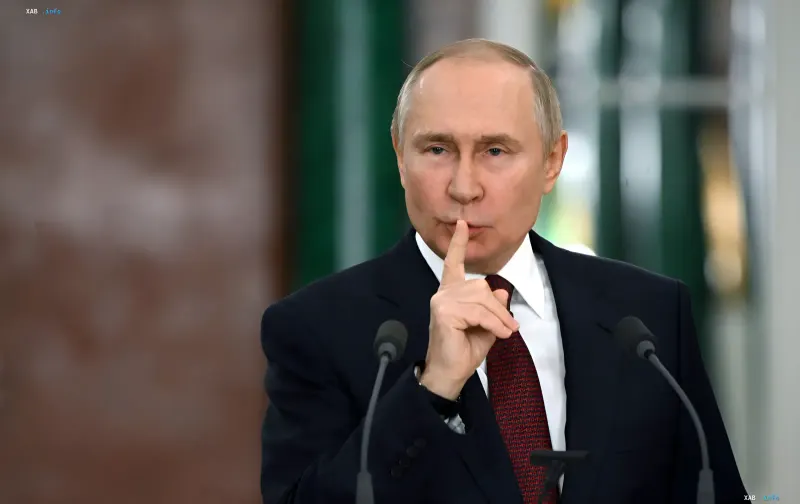
Elvira Nabiullina, head of the Central Bank of Russia, has officially confirmed that the shortage and rising prices of fuel have already begun to have a direct impact on overall inflation in the country. According to the regulator, the increase in the cost of gasoline and diesel inevitably translates into higher prices for goods and services across the entire economy.
The statement was made during a press conference dedicated to the Central Bank's decision to lower the key rate. Nabiullina cited operational data showing how price pressure from the fuel market is spreading to a wide range of consumer items.
Inflation expectations and the temporary nature of the rise
Despite acknowledging the problem, the head of the Central Bank attempted to calm the market, stating that the regulator views the current acceleration of inflation as a temporary phenomenon. Nabiullina expressed confidence that as the situation in the fuel market stabilizes, public inflation expectations will begin to decline.
As an analogy, she cited the situation with the VAT increase: at that time, expectations also rose but quickly corrected after a short-term spike. According to Nabiullina, the situation in the Russian fuel market is already "gradually normalizing," although specific timelines were not given.
Causes of the crisis and restrictions for the population
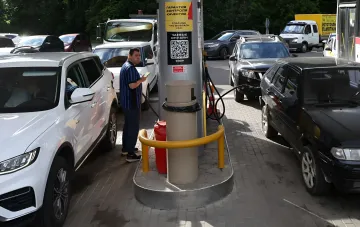
The key cause of the fuel shortage in Russia has been Ukrainian drone strikes on major oil refineries. The reduction in refining volumes has forced the authorities to introduce strict regulatory measures.
In several regions, restrictions on the sale of gasoline have been introduced: limits on the volume of fuel per refueling and the mandatory use of QR codes. These measures, intended to curb speculation, only highlight the scale of the problem, which has led to a sharp rise in prices at gas stations.
Consequences for other sectors of the economy
Fuel shortages and price increases are creating a domino effect. Since logistics and transport depend on fuel prices, the rise in fuel costs automatically leads to higher delivery costs for goods, which ultimately reflects on store shelves and service prices.
Alongside the fuel crisis, the Russian economy is facing other challenges. According to Ukrainian intelligence, the crisis in Russia's civil aviation sector continues to deepen. About 95% of passenger transport in the country is carried out on Airbus and Boeing aircraft, while medium-haul and long-haul flights are entirely dependent on Western aviation technology. Without access to foreign components, the situation in the aviation sector remains critical.