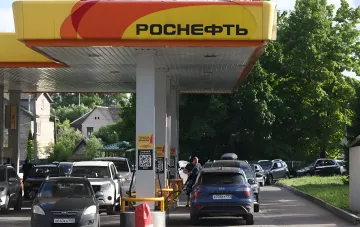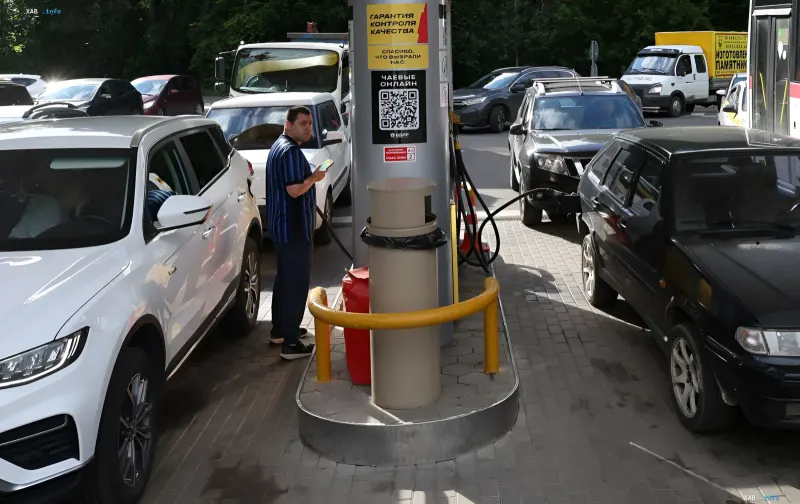
August 9, 2026. A large-scale fuel crisis is unfolding in the Yelets district of the Lipetsk region, casting doubt on official reports from regional authorities regarding the stabilization of the situation. At gas stations, particularly those belonging to the company "Rosneft," there are huge queues of vehicles waiting for the opportunity to refuel. Meanwhile, fuel is completely absent at most other gas stations in the area, creating a critical situation for residents and transit drivers.
Reality vs. Official Reports
The situation on the ground differs radically from the statements made by the leadership of the Lipetsk region. Previously, Governor Igor Artamonov stated that fuel supplies had normalized and queues at gas stations had decreased. Based on this optimistic data, local authorities even canceled previously introduced strict restrictions on refueling vehicles based on even and odd license plate numbers. However, the actual situation tells a different story: the cancellation of restrictions led to a sharp influx of vehicles that encountered a complete lack of fuel at many stations and multi-hour waits at those where it is still available.
Systemic Failure and "Gray" Schemes
Experts and analysts link the current collapse to deep systemic problems in the Russian oil refining industry. Against the backdrop of constant failures in the operation of refineries and a systemic shortage, the country is forced to switch to so-called "gray" schemes for fuel processing and logistics. According to Ukrainian intelligence, such steps are a direct consequence of effective strikes on Russian oil refineries, which have inflicted critical damage to Russia's production capacities.
Import Dependence and Kyiv's Reaction
Russia, previously an active exporter of energy carriers, has found itself in a critical state and is forced to seek sources for fuel imports to cover the domestic deficit. This paradoxical turn of events has provoked a sharp reaction from Kyiv. Ukrainian President Volodymyr Zelenskyy harshly mocked the fuel collapse in Russia, noting the irony of the situation where the largest energy player is forced to import gasoline and diesel amidst an ongoing war.
Contradictory Data
There is a clear contradiction between the information coming from federal and regional authorities and the actual state of affairs. On the one hand, official reports and statements by governors cite data on the stabilization of supplies and the reduction of queues. On the other hand, testimonies from local residents, video footage from surveillance cameras, and reports from independent observers record mass accumulations of vehicles and empty tanks at gas stations. This discrepancy in versions raises questions about the reliability of official statistics and the effectiveness of measures taken to ensure fuel security.