The situation regarding fuel supply in Russia is entering a new phase. While Ukrainian attacks previously focused primarily on large oil refineries, the focus has now shifted to vessels of the "shadow fleet." Experts and local authorities note that thanks to this change in vector, the fuel crisis in the Russian Federation is gradually easing, although the shortage has not disappeared.
Tactical Shift: From Refineries to Tankers
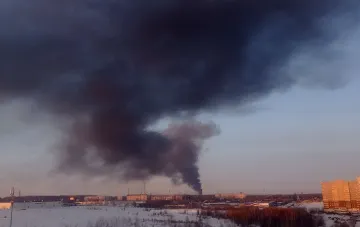
Over the past two weeks, the nature of the attacks has changed. The scale of strikes on infrastructure has decreased as targets have become smaller. However, the number of strikes on vessels used by Russia for oil exports has increased significantly. Between July 8 and July 20, at least 124 vessels were attacked, including 89 tankers.
Ben Barry, a researcher at the London-based International Institute for Strategic Studies (IISS), notes that Ukraine is expanding the spectrum of targets and switching between them. This strategy is designed to keep the adversary in the dark regarding the next strikes, significantly complicating Russia's task of deploying defensive structures and neutralizing missiles.
Regional Fragmentation: Moscow vs. Siberia
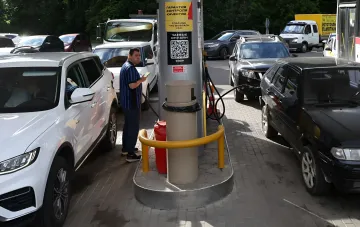
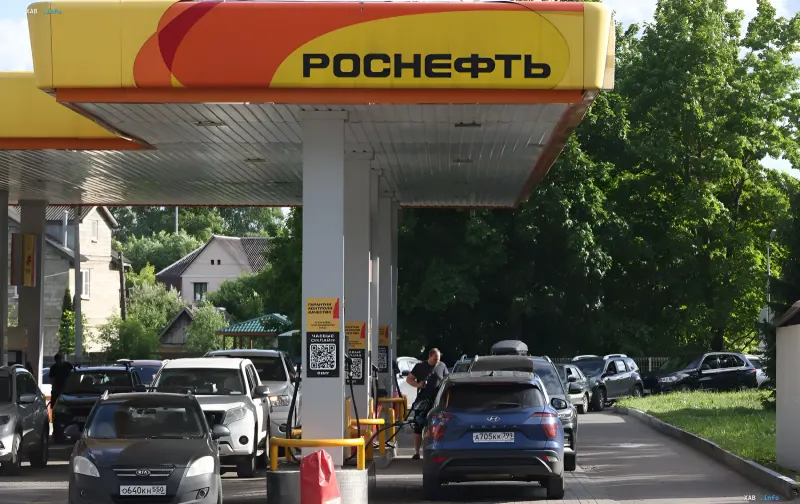
Despite official statements about improved supplies, the real picture at gas stations remains uneven. There is no reliable independent statistics confirming official reports, however, data from social networks and situation monitoring indicate improved supply in some locations.
As of July 22, the situation looked as follows:
- In Moscow, fuel was available at 54% of gas stations.
- In St. Petersburg, at least one type of fuel could be found at 61% of gas stations.
- At the same time, the situation in Krasnoyarsk and Novosibirsk was critically different: fuel was available at only slightly more than 20% of stations.
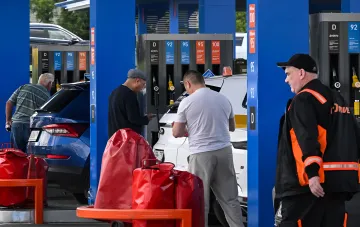
Rationing of gasoline sales per car remains in effect, although quotas are gradually increasing in certain areas.
Economics of Shortage and Record Indicators
Supply restoration is proceeding slowly, and the shortage is far from overcome. According to estimates by the analytical agency EA Analytics, oil refining in Russia in July will average 3.511 million barrels per day. This is the lowest figure since May 2002.
This volume of refining is more than a third lower than the seasonal norm for the country. This indicates the persistence of a serious shortage of petroleum products and an inevitable rise in fuel prices.
Consequences for the Army and Population
Over the past two months, Ukrainian drones have halted up to 40% of Russia's oil refining, and a third of the country has been left without fuel. The fuel crisis has affected about 50 million Russian citizens. The problem has also affected the military: a fuel shortage has begun in the Russian army, and occupiers complain that there is practically nothing to refuel the equipment with.
Vladimir Putin acknowledged the existence of problems with fuel supply, however, he stated that the situation "is not critical." To compensate for the shortage, Russia began redirecting gasoline from Belarus, which was previously intended for Central Asian countries. However, even record volumes of such supplies do not allow the shortage to be fully eliminated.
Regional authorities continue to urge residents to prepare for further difficulties until the situation in the fuel market stabilizes completely.