The Russian government has decided to extend the temporary ban on the export of oil products. Restrictions, previously introduced to stabilize the domestic market, will now remain in effect until the end of January 2027. The corresponding decree was published by the press service of the Russian Cabinet of Ministers.
The new rules come into force on August 1. A total ban applies to the export of gasoline, diesel fuel, marine fuel, and gasoils. However, the document includes an important nuance: starting September 1, restrictions will no longer apply to diesel fuel, marine fuel, and gasoils if they are exported by direct producers.
Reasons and Consequences of Restrictions
In an official statement, the Russian government explains that these measures are necessary to maintain a stable situation in the domestic fuel market. Experts and analysts link this decision to a massive shortage that has emerged in the country over recent months.
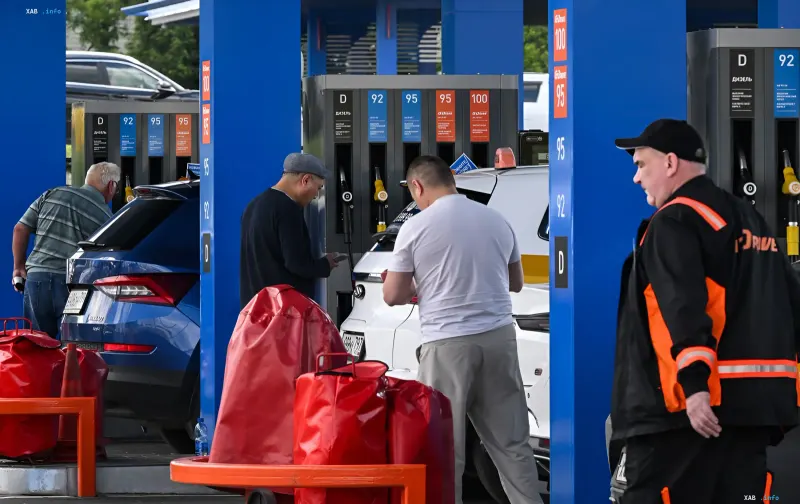
The roots of the problem lie in attacks by Ukrainian drones on Russian infrastructure. Over the last two months, approximately 40% of the capacity of Russia's oil refineries (ORs) has been taken out of operation. As a result, about 50 million citizens have faced a shortage of fuel at gas stations.
The consequences of the blow to the energy sector go beyond logistics and are beginning to affect the macroeconomy. The head of the Central Bank of Russia, Elvira Nabiullina, has already acknowledged that the fuel crisis is exerting direct pressure on the prices of goods and services in the country.
Official Position of the Kremlin
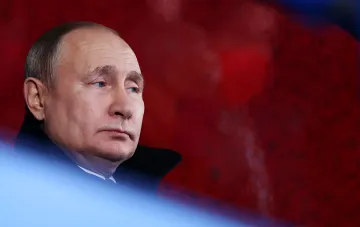
President Vladimir Putin has also acknowledged the problems with supplying the population and enterprises with fuel. Despite massive disruptions and rising prices, he assured that the situation in the country is 'not critical.' Nevertheless, the extension of the export ban for a year and a half indicates that the authorities do not plan a quick restoration of export flows and are counting on a prolonged phase of domestic shortage.