The Russian Federation is facing a serious crisis in the energy sector, forcing the government to take unprecedented measures. In response to regular drone strikes by Ukraine on oil refineries (ORs) within the country, Moscow has officially authorized the production and sale of automotive gasoline of lower environmental classes — Euro 2, Euro 3, and Euro 4. This decision effectively overturns environmental standards that have been in force in Russia for over a decade.
Return to Past Standards
According to RBC-Ukraine, citing the press service of the Russian Ministry of Energy, new regulations allow for the release of fuel meeting standards that were banned as far back as 2013. Specifically, this refers to Euro-2 gasoline. For comparison, the previously enforced technical regulation for Euro-5 gasoline limited sulfur content to 10 mg per kilogram of fuel. Meanwhile, for the now-permitted Euro-2, this figure reaches 500 mg per kilogram.
Furthermore, the new rules allow for methanol content in gasoline up to 3%. The Russian government also annulled the previous document that permitted the sale of Euro-5 gasoline with elevated sulfur levels until the end of 2026, replacing it with more radical measures to lower quality standards.
Economic Reasons and Risks for Car Owners
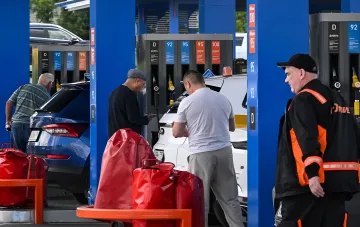
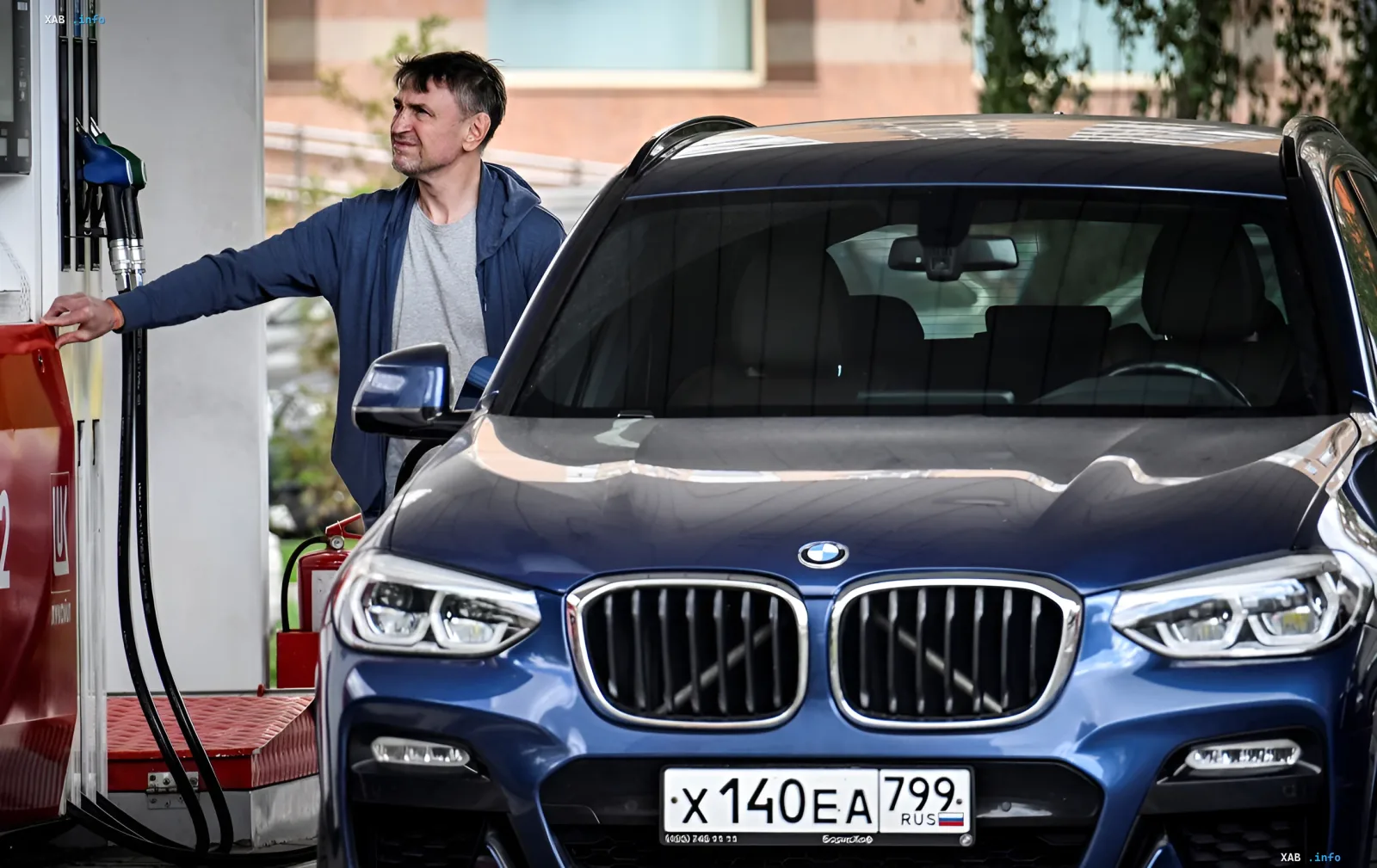
The decision to lower environmental standards aims to prevent a fuel shortage. According to Reuters, due to regular attacks by Ukrainian forces on Russian oil refineries, automotive gasoline production in Russia dropped to 65% of the average level of domestic consumption by early July 2026. Diesel fuel production also critically declined and nearly matched the volume of demand.
Experts note that switching to the production of lower environmental class fuels allows for the use of oil without deep refining and utilizes capacities that are unable to produce high-quality gasoline. However, Dmitry Prokofiev, Director of Communications at NEFT Research, warned that using Euro-2 standard fuel could be dangerous for many modern vehicles designed for cleaner fuel.
Imports and Price Manipulation
Amidst internal shortages, Russia is forced to seek fuel on external markets. It has become known that the country imported a sea shipment of AI-92 gasoline, approximately 30,000 metric tons, from Morocco. This indicates that domestic capacities are no longer coping with the needs of the country's vehicle fleet.
Parallel to the production crisis, attempts to manipulate the market are being recorded. Previously, RBC-Ukraine reported that in Krasnoyarsk, before the visit of Russian leader Vladimir Putin, fuel prices at gas stations dropped sharply. This event was likely part of an attempt to create an appearance of stability amidst the growing fuel crisis.