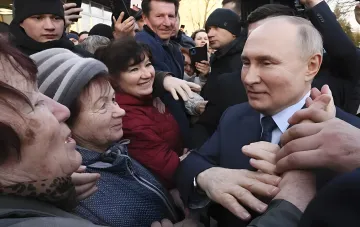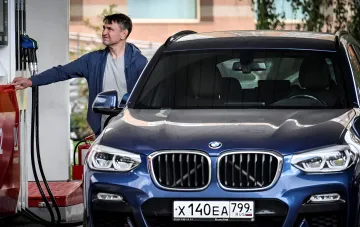
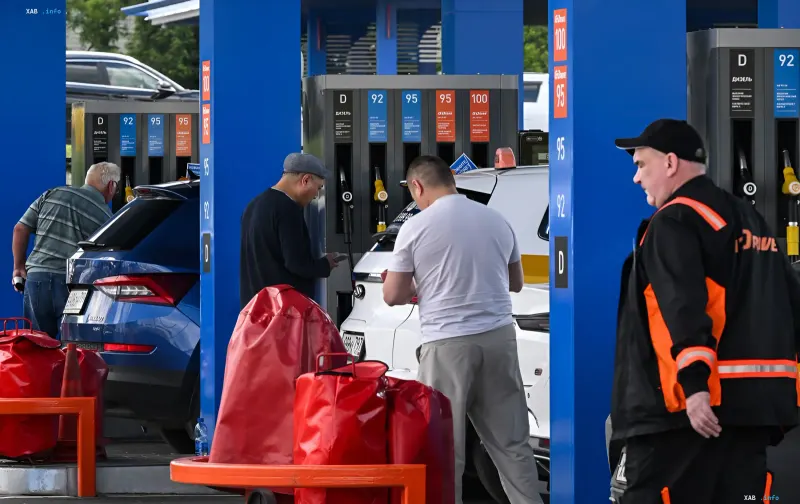
In Krasnoyarsk, a scenario that has become familiar for regions on the Russian president's route is unfolding. On the eve of Vladimir Putin's visit, fuel prices at city gas stations dropped sharply. Along with this, the previously introduced limits on the volume of gasoline purchases per person disappeared.
Local residents are noting a price drop of 20–25 rubles per liter. The limits, which previously caused queues and customer dissatisfaction, have been lifted. Gas station employees confirm that stations are operating in normal mode, but with one important condition — fuel has been delivered in an emergency.
Former Krasnoyarsk city council deputy Igor Grinev shared details of the logistical operation. According to him, A-92 and A-98 gasoline was urgently delivered from Omsk, while A-95 came from Achinsk. This allowed for a temporary saturation of the market and a reduction of tension at the pumps.
The company "Krasnoyarsknefteprodukt" explained the situation as a "temporary improvement in logistics" and the arrival of additional fuel volumes. However, company representatives immediately warned that the imported reserves are limited. As soon as they are exhausted, prices will rise again, and limits may return.
A similar scenario played out a week and a half ago during Putin's trip to Irkutsk. Then, gasoline at all gas stations in the city suddenly and simultaneously became cheaper, raising questions among local residents and experts.
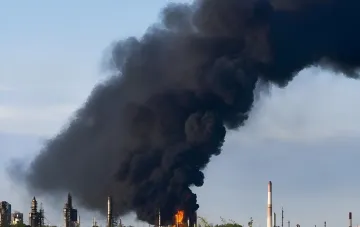
The backdrop for these events is an acute fuel crisis in Russia. Over the past two months, Ukrainian drones have disabled about 40% of the country's oil refining capacity. Approximately 50 million Russians have felt the fuel shortage. Supply problems have affected not only private cars but also transport infrastructure, logistics, and agriculture.
Strikes on refineries in the rear have led to the fuel crisis beginning to affect the economy as a whole. The head of the Central Bank of the Russian Federation, Elvira Nabiullina, admitted that rising gasoline and diesel prices are already reflected in the cost of goods and services. Inflationary pressure is intensifying, and businesses are forced to review their logistics chains.
Vladimir Putin, for his part, acknowledged the existence of fuel supply problems but stated that the situation "is not critical." His words contrast with the reality at gas stations, where people face queues, limits, and price spikes.
The situation in Krasnoyarsk is a vivid example of how the political agenda affects the daily lives of citizens. The president's visit becomes an excuse for emergency measures, which, however, are temporary. While gasoline becomes cheaper for the sake of image, long-term energy security problems remain unresolved.