Amid a prolonged fuel crisis triggered by a series of Ukrainian drone strikes on Russian oil refineries, a paradoxical situation is unfolding across Russian regions. Visits by Vladimir Putin to various cities are accompanied by a sharp improvement in the availability and cost of gasoline. Local residents perceive this as a miracle, while experts view it as an indicator of systemic problems in logistics and management.
The "Miracle" in Krasnoyarsk: Gasoline Appears Within 48 Hours
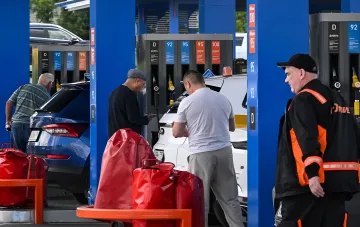
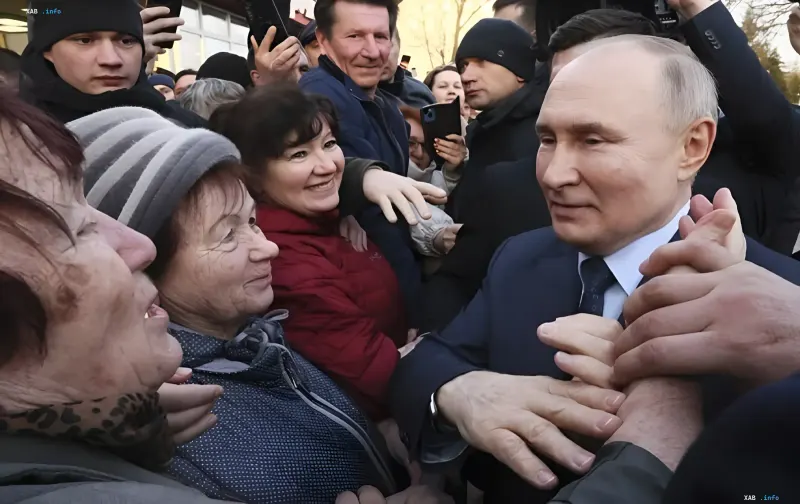
On August 3, 2026, Vladimir Putin arrived in Krasnoyarsk for a visit. The day before his arrival, about which the city's population had not been warned, gasoline suddenly appeared at gas stations that had stood empty for weeks. Moreover, its price dropped by half — from the usual 140 rubles per liter to 67 rubles. Local residents, previously forced to stand in queues for several hours, expressed delight. One driver, interviewed by the publication "Echo" (a Russian media outlet in exile), stated: "For the past two days, we haven't had to stand in line for gasoline, and it's being sold not for 140, but for 67, and all this thanks to Vladimir Vladimirovich! Thank you for coming to us".
Regional Effect: From Irony to Gratitude
The situation in Krasnoyarsk sparked a wide resonance on social media. Local bloggers noted that the visit of the "boss," despite the inconveniences — road closures, increased police presence, unstable internet — brought unexpected bonuses. Some even joked that Putin should visit the city more often, pointing out that his previous visit was seven years ago. Irony turned into sincere gratitude: for many residents, access to cheap fuel became a matter of survival, especially against the backdrop of rising prices for food and services.
Contradictory Data
Official sources, including the Kremlin press service, deny any link between Putin's visit and the appearance of gasoline. According to them, fuel supplies were organized in advance as part of routine work with the regions. However, independent sources, including "Echo" and Le Monde, point out that gasoline appeared precisely on the day of the visit, and its price was artificially lowered. This creates a contradiction: on the one hand, authorities claim that the situation stabilized thanks to systematic work, while on the other — eyewitnesses and experts see this as a temporary measure aimed at improving the leader's image before the elections.
Fuel Crisis as a Consequence of Strikes on Refineries
The cause of the fuel crisis was mass drone strikes by Ukraine on Russian oil refineries. These attacks, which began in early 2026, caused serious damage to infrastructure, leading to a fuel shortage in several regions. Krasnoyarsk, like other cities, faced supply disruptions, which caused price hikes and queues at gas stations. According to experts, Putin's visit acted as a catalyst for a temporary solution to the problem, but did not eliminate its root causes.
Political Context: Election Campaign and Leader's Image
The visit to Krasnoyarsk took place against the backdrop of an active election campaign. Experts note that such trips are used to demonstrate control over the situation and improve the leader's image. Lowering gasoline prices and ensuring its availability is a powerful signal to the population that could influence electoral sentiments. However, as practice shows, the effect is temporary: after Putin departs, the situation returns to the previous state, causing disappointment among residents.