August 9, 2026, marked a historic date for Middle Eastern geopolitics. The Syrian state news agency SANA published a statement that puts a period to the 11-year history of Russian military dominance in the region. According to the official document, the Khmeimim airbase and the naval base in Tartus are losing their sovereign status and, within three months, will be transformed into "joint military training centers" under the full control of Syria.
Historical Memorandum: What Was Signed and What It Means
The Public Relations Department of the Syrian Ministry of Foreign Affairs confirmed the signing of a memorandum of understanding. The document records a radical reorganization of the Russian military presence on the Syrian coast. This is not just a reduction of the contingent, but a fundamental change in the legal status of the facilities. After a year and a half of complex negotiations, which began immediately after the overthrow of Bashar al-Assad's regime in December 2024, Moscow and Damascus reached a compromise which, however, effectively means the withdrawal of full-fledged combat bases.
According to the text of the agreement, Russia will no longer be able to use these points as springboards for independent geopolitical operations. The facilities are being repurposed: their main function is now the training and upskilling of the new Syrian army. The deadline for implementing these large-scale plans is set strictly — just three months.
Asset Division: From Military Bases to Civilian Hubs
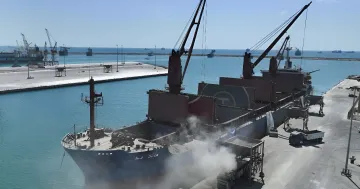
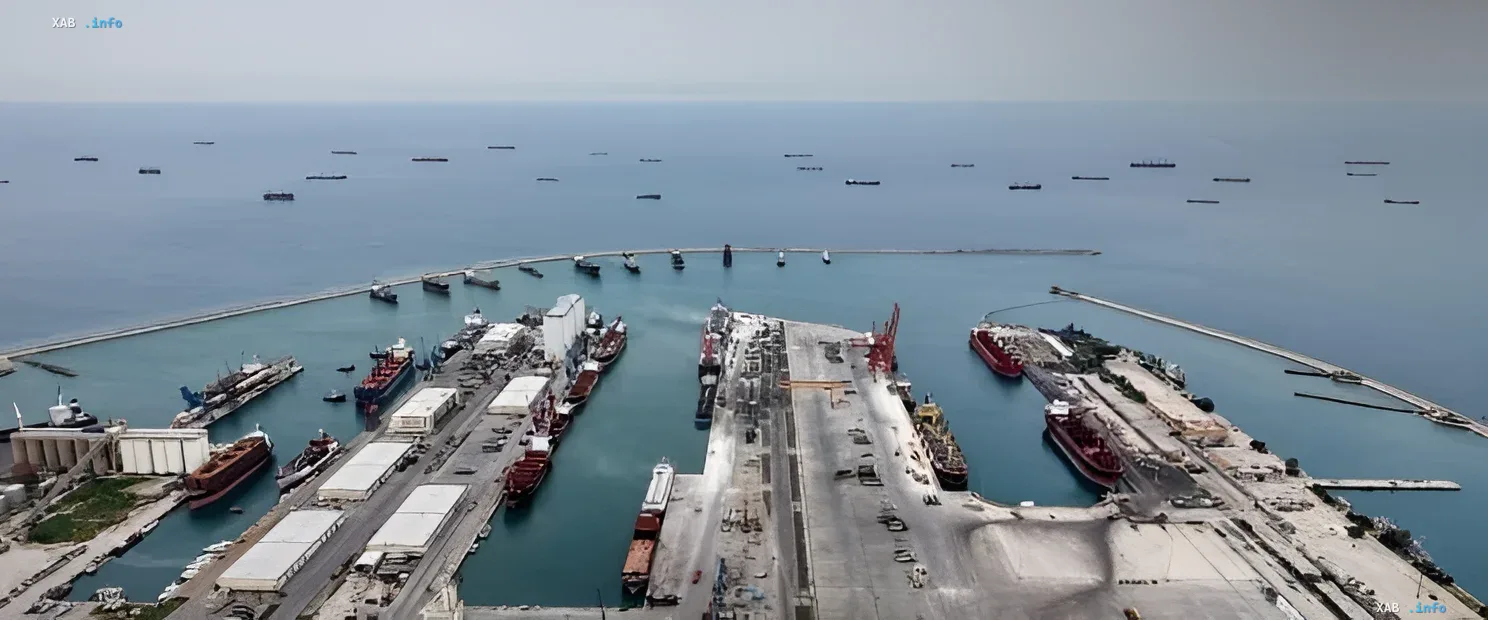
The agreement provides for a clear division of infrastructure into two blocks. The first is civilian. Khmeimim International Airport has already been officially transferred to the management of the Syrian Civil Aviation Authority. Reconstruction and the launch of passenger flights are expected. A similar fate awaits the fourth commercial berth of the port of Tartus with adjacent warehouses — they are passing under the control of the Office of President Ahmed al-Sharaa.
The second block is military. Full-fledged combat bases cease to exist. The Russian side will likely try to maintain commercial interests through the company "Rus Line", using part of the Tartus infrastructure as a logistics hub for transshipment of grain and metals. However, as sources emphasize, this will take place under the full control of Syrian customs and without military sovereignty.
Geopolitical Context: Why This Happened in 2026
This decision was a direct consequence of the fall of the Assad regime and the change of power in Damascus. The new leadership, headed by Ahmed al-Sharaa, initially stated that the 2017 agreements (leasing bases for 49 years) infringe upon the country's sovereignty and are legally void. Syria has embarked on a course to lift Western sanctions, exit the US list of state sponsors of terrorism, and attract Arab investment.
The closure of Russian sovereign military bases became a key requirement of the US and the EU for full normalization of relations. Just days ago, Damascus agreed to reduce imports of Russian oil and sever transit corridors for weapons supplies to "Hezbollah". For Moscow, turning bases into "training centers" became an attempt to maintain a formal presence and not lose face completely, but the era of military intervention, which began in 2015, has ended.
Contradictory Data
Despite the official statement by the Syrian side, Russian diplomacy, at the time of the news publication (17:30 local time), is refraining from detailed comments. While Damascus insists on the full transfer of management and integration into civilian infrastructure, Moscow may interpret the status of "joint centers" as an opportunity to maintain a limited military presence under a different name. Differences in wording could create legal conflicts in the coming months, especially regarding jurisdiction and facility security.