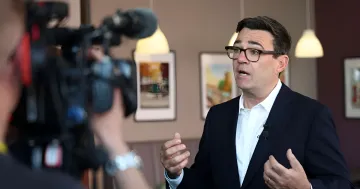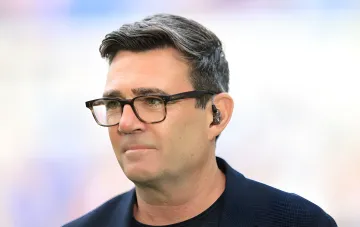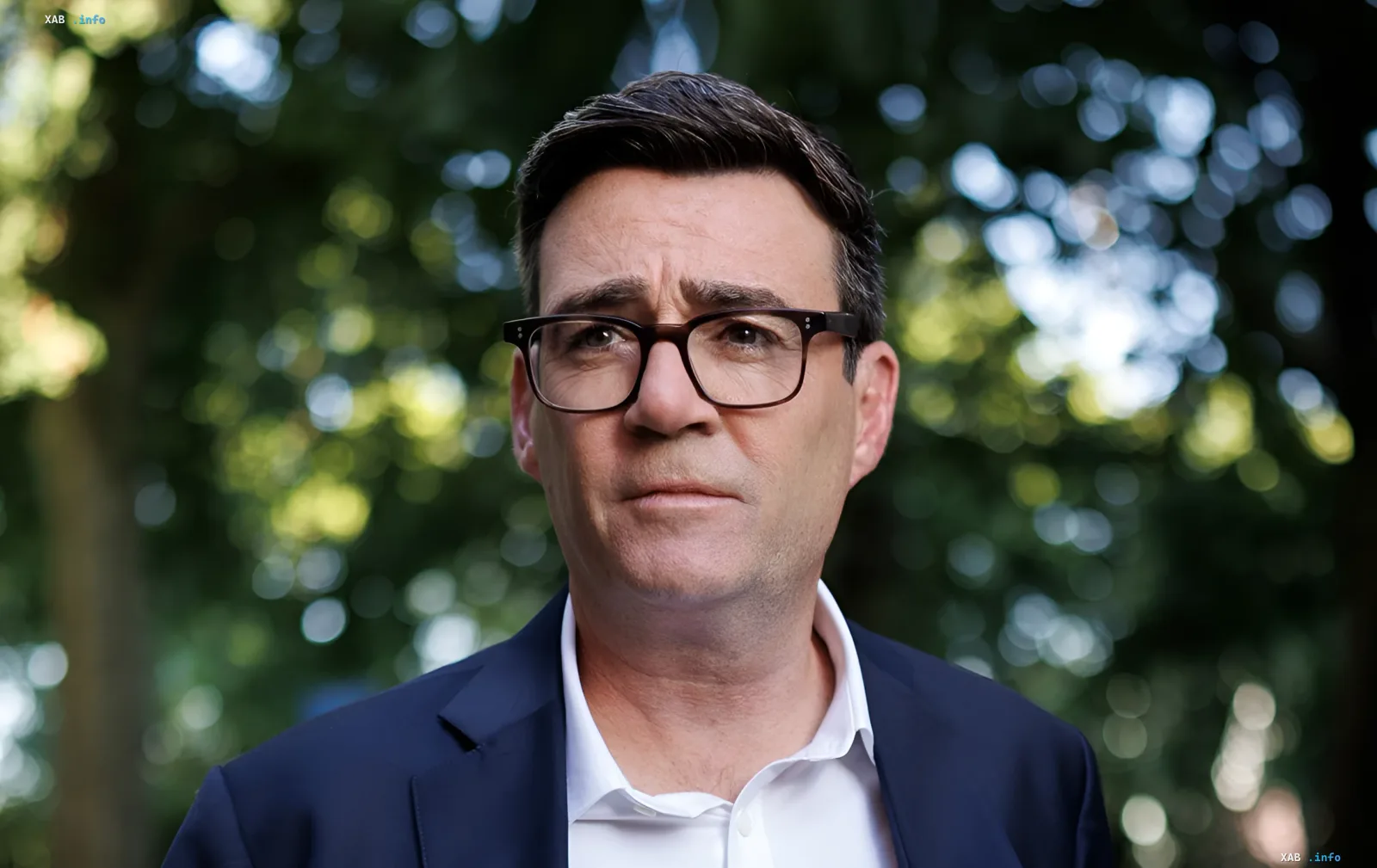
The political landscape of the United Kingdom has undergone radical changes. Andy Burnham, Mayor of Greater Manchester and known as the 'King of the North', has officially taken the helm of the Labour Party. This appointment paves his direct path to the post of Prime Minister following the expected resignation of Keir Starmer.
As reported by RBK-Ukraine citing the party press conference, Burnham must receive final approval from King Charles III to form a new government. This event marks Burnham's return to high politics following a series of Labour defeats in the May elections, which led to pressure on Starmer and the resignations of key ministers.
The Road to Power: From Liverpool to London
Andy Burnham was born in 1970 in Liverpool to an engineer and an administrator, both staunch Labour supporters. His political career began as a researcher, and in 2001 he was first elected as a Member of Parliament for the Leigh constituency in Greater Manchester. Later, he held important posts in the governments of Tony Blair and Gordon Brown, serving as Secretary of State for Culture and Secretary of State for Health.
However, the path to leadership was not simple. Burnham had already attempted to lead the party twice — in 2010 and 2015 — but lost to Ed Miliband and Jeremy Corbyn respectively. In 2017, he left Parliament to focus on regional politics and became the first Mayor of Greater Manchester. It was there that he gained fame for a major reform of the transport system, unifying it under the 'Bee Network' brand.
Return to Parliament
In order for Burnham to return to national politics, he needed a seat in Parliament. MP Josh Simon voluntarily vacated his Makerfield constituency for him, ensuring the party leader the opportunity to return to the House of Commons.
The 'King of the North' and His Legacy
Burnham will become the first Prime Minister since Harold Wilson (1960s–70s) to openly emphasize his Northern English origins. His nickname 'King of the North' stuck in 2020 when, during the coronavirus pandemic, he openly opposed the central government. Burnham accused London of 'contempt' for the northern regions and refused to impose additional lockdown restrictions in Greater Manchester, which caused a wide resonance.
Today, his appointment is seen as an attempt by the Labour Party to reboot its image and regain voters' trust, especially in industrial regions that have felt neglected in recent years.