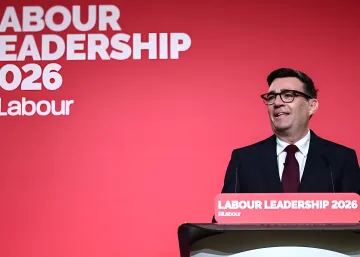
A major reshuffle of power is unfolding in British politics. The Prime Minister of England, Burnham, has begun forming his government, betting on the rapid creation of his own apparatus and the adoption of a new action plan. Observers agree: this move is intended not just to update the composition of the government, but to radically change the country's development vector.
The End of the Starmer Era and the Arrival of the "Rebels"
The most noticeable signal of the change in course was the dismissal of key figures from the previous government. Chancellor Rachel Reeves and Deputy Prime Minister David Lammy left their posts, returning to the backbenches. In their place came politicians who had previously publicly opposed Keir Starmer or actively supported Burnham in the fight for leadership of the Labour Party.
The Big Surprise: John Healey at the Helm of Finance
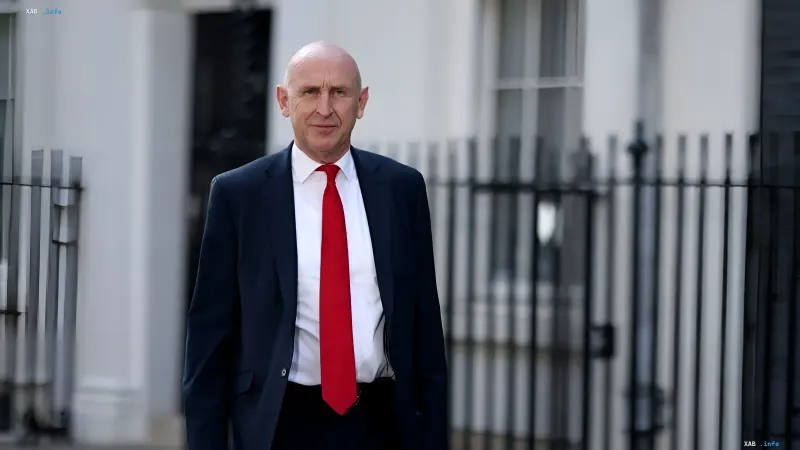
According to Politico, the most unexpected decision was the appointment of John Healey as Chancellor of the Exchequer. This appointment looks particularly paradoxical given the events of the last month. Healey resigned from his post as Defence Secretary in an attempt to pressure Starmer into resigning. He repeatedly insisted on a significant increase in military spending.
Now, heading the finance department, Healey will face a difficult task. He must balance the budget while fulfilling the government's promise to increase defence spending to 3% of GDP by 2030. At the same time, he must find funding for ambitious reindustrialization and decentralization programs, which are a priority for Prime Minister Burnham.
Foreign Policy and Energy: New Names
Significant changes have also affected the foreign policy bloc. Former Labour leader Ed Miliband has been appointed Foreign Secretary. Miliband was one of the first to call for Starmer's resignation and is known for his independent views. In the past, he opposed British military intervention in Syria in 2013 and did not support the use of the Diego Garcia base for attacks against Iran.
The team at the Department for Energy Security and Net Zero has changed: Ed Miliband gave way to Miatta Fahnbulleh. She also became one of the first to resign, demanding Starmer's departure.
Wes Streeting became the Defence Secretary. Previously, he was considered a strong contender for party leadership and proposed issuing "defence bonds" to fund the army. However, his lack of experience in foreign policy has raised doubts among experts regarding his suitability for the new role.
Retention of Staff and Reforms
Not all changes were radical. Home Secretary Shabana Mahmood retained her post to continue the reform program in the field of immigration. Before the cabinet was announced, many sources in Westminster assumed that she would take the post of Chancellor, but Burnham did not follow these predictions.
At the same time, some experienced figures from Starmer's team remained in the government. Yvette Cooper moved from the post of Secretary of State to the post of Health Secretary, taking charge of social care system reforms. Pat McFadden remained as Secretary of State for Work and Pensions, and Lisa Nandy retained her position as Secretary of State for Culture, Media and Sport.
The Return of Influential Figures
Many politicians who left the government under Starmer have returned to the cabinet. Louise Haigh has been appointed Minister for the Cabinet Office and First Secretary of State. She played a key role in the group of MPs who opposed Starmer's social care reforms and helped Burnham expand his influence in the party. In her new role, she will be responsible for strengthening state control over services and decentralizing power.
Angela Rayner returned as Secretary of State for Levelling Up, Housing and Communities, Lucy Powell was appointed Education Secretary, and Jonathan Reynolds returned as Secretary of State for Business and Trade. The position of Chief Whip, responsible for discipline, went to Annalena Midgley — a close ally of Burnham from Northern Ireland.
Burnham's Strategy
Observers believe that this mix of appointments — returning Starmer's opponents while retaining some experienced staff — reflects a dual strategy. Burnham aims not only to strengthen control over the Labour Party but also to form a cabinet capable of implementing his program of economic reforms, decentralization, and reindustrialization.