Historic Shift: From Military Bases to Joint Centers
Against the backdrop of a rapidly changing geopolitical landscape in the Middle East, August 10, 2026, became the day that radically rewrote the history of Russian-Syrian relations. Syria and Russia officially signed a memorandum on the reorganization of the Russian military presence in the country. This document, the result of a year and a half of complex negotiations under the auspices of the Syrian Ministry of Foreign Affairs, marks the end of the era of autonomous military bases and the beginning of a new phase of integrating strategic assets into Damascus's civilian infrastructure.
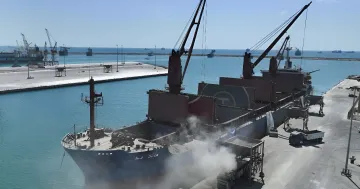
According to the text of the agreement, key facilities, such as the Hmeimim airbase and the Tartus naval port, are changing their legal status. Syria takes over the management of facilities intended for civilian use. In particular, Hmeimim airport and the fourth commercial berth in the port of Tartus will be transferred to the control of the Syrian civilian administration. This decision paves the way for the economic integration of these strategic points into the country's national logistics, which was previously impossible due to their closed military status.
Infrastructure Transformation and Transition Timelines
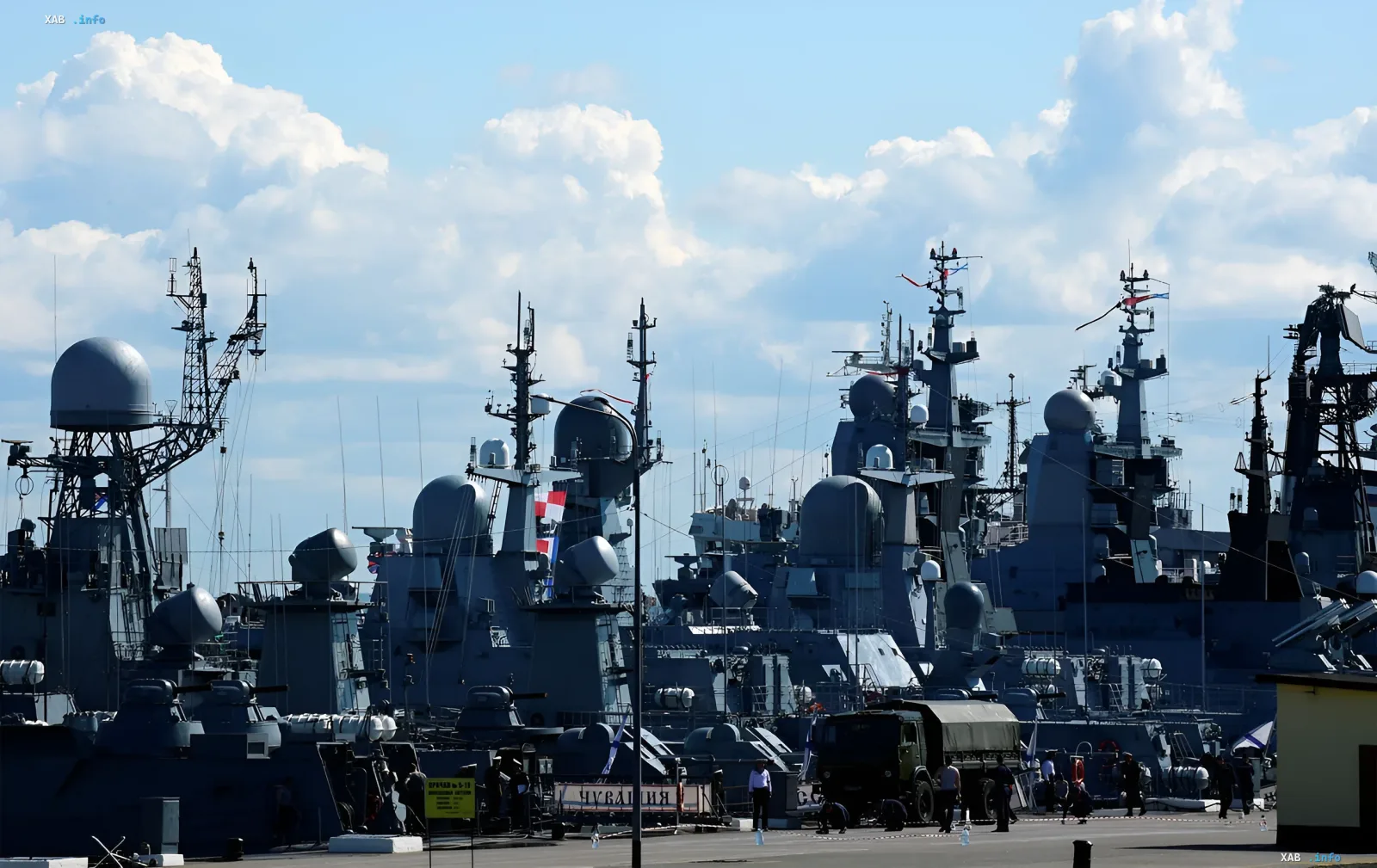
The document details the fate of facilities that continue to be used for military purposes. Instead of maintaining them as purely Russian military bases, the parties agreed to transform these territories into joint training centers. This format implies close interaction between the military departments of the two countries, but under a new legal umbrella that accounts for Syria's sovereignty and its desire to normalize relations with the international community.
Special attention in the memorandum is paid to timeframes. The document sets a strict deadline for completing the transition period — no more than three months. After this period expires, the new rules will come into full force, requiring the Russian side to rapidly restructure logistics and administrative processes. The Syrian Ministry of Foreign Affairs called this memorandum the most significant achievement since the start of negotiations about 18 months ago, emphasizing that it opens the way to a new stage of relations.
Energy Aspect and Sanctions Pressure
The political reorganization of military facilities is inextricably linked to the economic realities of 2026. In May of this year, Russia became the main supplier of oil to Syria, which allowed Damascus to stabilize the internal situation after the fall of the Assad regime. However, according to the latest data from Reuters, Syria is ready to reduce imports of Russian oil.
Experts link this decision to Damascus's desire to lift international sanctions. Reducing energy dependence on Russia could be a signal to Western partners of readiness for dialogue and compliance with new economic norms. Thus, the transfer of military facilities to civilian control and the revision of energy strategy go hand in hand, shaping the new face of Syria's foreign policy.
Contradictory Data
Despite the official rhetoric about a "new stage of relations," there are disagreements in the expert community regarding the real timelines and volumes of the transfer of control. On the one hand, the Syrian side insists on a full transition to civilian management of key port capacities within three months. On the other hand, Russian military sources, cited in closed briefings, indicate that the status of "joint training centers" may imply the actual preservation of Russian operational control over weapons and air defense systems, despite the change of signs.
Furthermore, there is a discrepancy in the dates of the start of negotiations. The official Syrian Ministry of Foreign Affairs states that negotiations lasted a year and a half (since the beginning of 2025), however, some diplomatic sources indicate that real intensive consultations began only after the arrival of the Russian ship "Sparta" in May 2026. This raises questions about how deep the preparation for the deal was and to what extent it was dictated by current crisis events rather than long-term strategic planning.