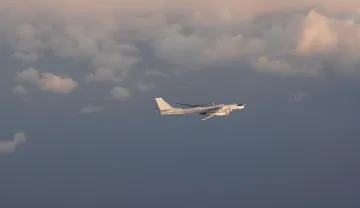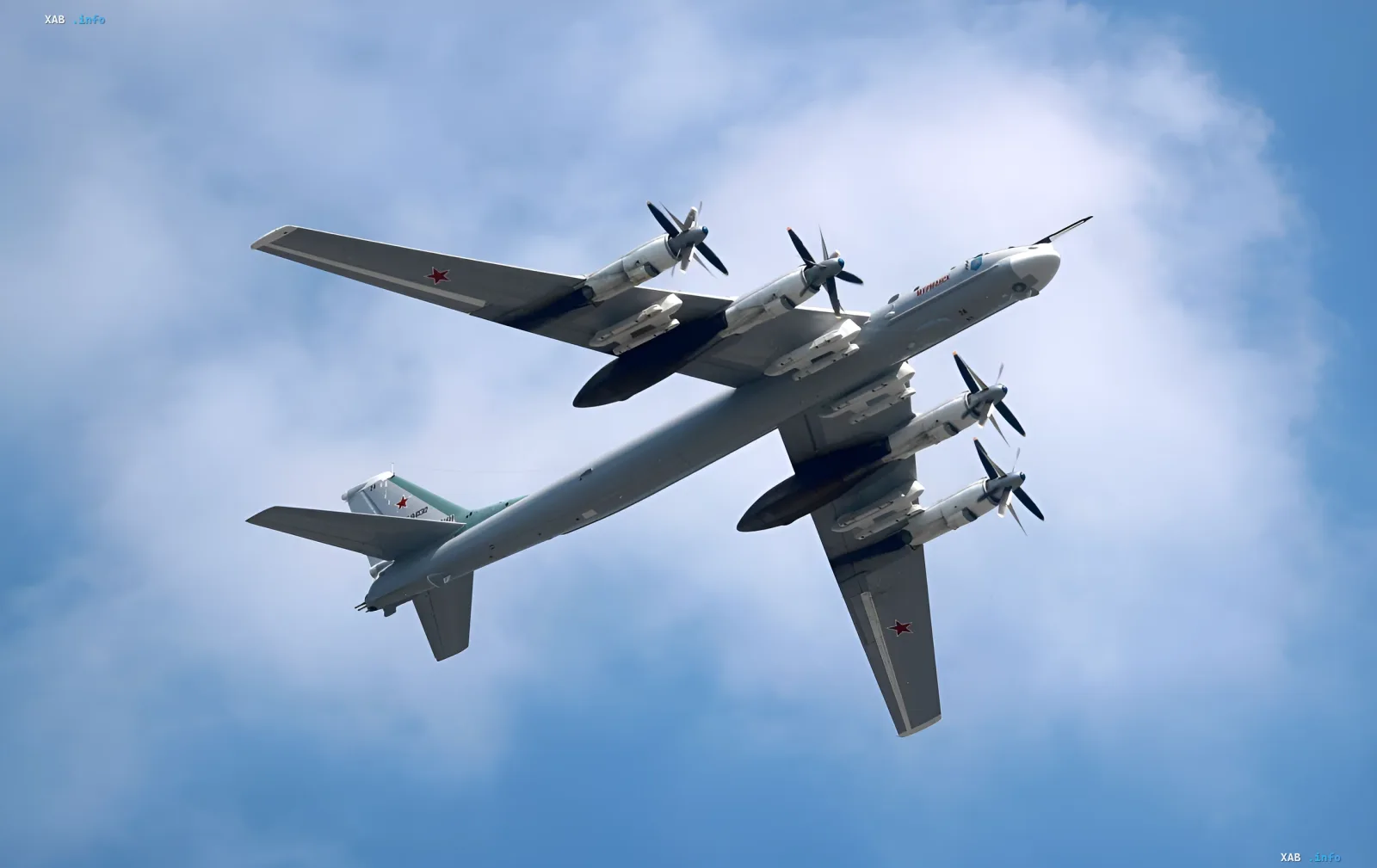
The situation with the Russian strategic aviation fleet, which poses the main threat to Ukrainian cities, is undergoing dramatic changes. According to experts, Russia has potentially no more than two dozen Tu-95 bombers capable of launching cruise missiles. Moreover, the service life of these aircraft, operated in extreme modes, is rapidly declining.
Another confirmation of the vulnerability of Russian aviation was the destruction of yet another Tu-95 strategic bomber at the Engels airfield. Ukraine's security forces struck an object used for missile attacks on Ukrainian cities. Notably, the distance from the state border to the aircraft's location was about 800 km, demonstrating the depth of penetration of Ukraine's counter-intelligence and sabotage potential.
"Accounting" vs. Reality
Aviation expert Konstantyn Kryvolap shed light on the actual number of aircraft available to the Russian side in a comment to RBK-Ukraine. According to the authoritative Military Balance report by the International Institute for Strategic Studies, at the beginning of 2022, Russia had about 60 Tu-95MS aircraft. However, Russian sources at the time cited a figure of 47 aircraft.
During the first powerful missile attacks at the turn of 2022 and 2023, Moscow deployed a maximum of 20 strategic aviation aircraft. Kryvolap explains the situation with standard operational logic: usually, 80% of the fleet is "in the air," while the rest are in repair. Based on this, the actual fleet of flying Tu-95s does not exceed 28 units.
The situation worsened after the "Spider" operation, during which at least 6 to 8 aircraft were hit. The expert notes a worrying trend: after this operation, Russia has never used more than 18 aircraft simultaneously. Currently, according to Kryvolap, no more than 12 Tu-95s are in the constant combat cycle.
Overloading and Wear of Equipment
A critical factor is the physical wear and tear of the equipment. Initially, the Tu-95 bomber was designed to carry 8 cruise missiles. However, during the war, Russian pilots have long ceased to use more than 4 missiles from a single aircraft. The reason lies in the overloading of the wings: the design is not calculated for such actions under current conditions, which significantly reduces the airframe's service life.
Russia is currently unable to replenish fleet losses. The last Tu-95 model bomber was assembled in the early 90s. What Moscow calls new Tu-160s is, in fact, a deep modernization of old airframes. The process of restoring and modernizing one such aircraft takes at least four years, making it impossible to quickly increase the fleet's numbers.
New Threats and Modernization
Despite the reduction in the aviation fleet, Russia continues to seek ways to strengthen its strike potential. Earlier, there were reports of the preparation of a ground modification of the Kh-101 cruise missiles, with which Tu-95 and Tu-160 aircraft attack Ukraine. This will allow the use of missiles without risk to expensive carriers.
Furthermore, the Main Directorate of Intelligence of the Ministry of Defense of Ukraine (GUR) recently revealed the characteristics and showed an image of the newest missile "Product-30". According to intelligence, it is with this weapon that Russia may attack the entire territory of Ukraine, trying to compensate for the lack of air carriers.