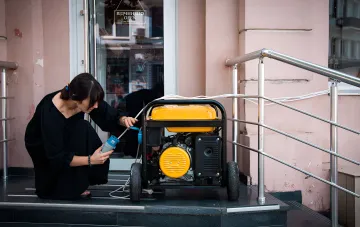

On August 10, 2026, the Odesa region continues to recover from a large-scale attack on energy infrastructure. Amidst anomalous heat, where the load on the power grid reaches critical levels, Russian strikes have caused serious damage to the region's power supply system. Despite the heroic efforts of energy workers, hundreds of thousands of residents were temporarily left without electricity, creating a threat to the functioning of critical facilities and life-support systems.
Scale of Damage and Progress of Restoration Work
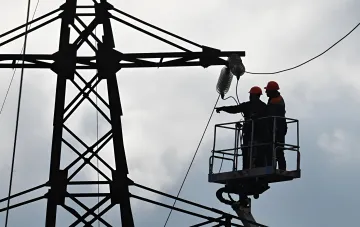
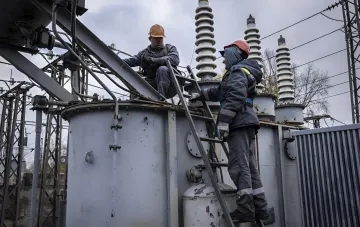
The attack, which occurred during peak electricity consumption, resulted in damage to a significant portion of the energy networks. According to DTEK, over the past 24 hours, power supply has been restored for critical infrastructure facilities and 227,000 households. This was made possible thanks to the round-the-clock work of emergency crews, which promptly eliminated the consequences of the shelling. However, some equipment is still under repair, forcing energy workers to use reserve schemes for network operation.
Impact on Water Supply and Household Infrastructure
Power outages directly affect the operation of the region's water supply systems. Pump stations, which ensure water supply to residential buildings and public buildings, are operating in a restricted mode. This creates additional difficulties for residents, especially in conditions of high air temperature. Energy workers warn that temporary power outages may occur during the day due to the need to balance loads on damaged sections of the network.
Recommendations for the Population and Measures to Reduce Load
DTEK has urged residents of Odesa and the region to be vigilant and not overload the power grid. In particular, it is recommended to avoid turning on powerful electrical appliances simultaneously — air conditioners, water heaters, electric stoves, and other devices that consume a significant amount of energy. Reducing consumption during hours of peak load will help stabilize the power system and speed up the restoration of damaged equipment. Energy workers emphasize that every kilowatt of saved energy contributes to the overall stability of the system.
Contradictory Data
There are discrepancies in assessments of the scale of restoration work. According to official DTEK data, from August 3 to 9, energy workers partially or fully restored power supply to more than 1.2 million households in the Donetsk, Odesa, and Dnipropetrovsk regions, restoring network operations in 436 settlements. However, local residents and independent observers report longer outages in certain areas of Odesa, where electricity is still being supplied with interruptions. This data requires additional verification and clarification by relevant authorities.
Restoration Prospects and Long-Term Plans
Energy workers predict that the full restoration of all damaged sections of the network will take several more days. In the event of new attacks, the deadlines may be revised. Regional authorities and DTEK representatives promise to accelerate repair work as much as possible and ensure stable power supply for all consumers. At the same time, the importance of international cooperation and technical assistance in restoring Ukraine's energy infrastructure is emphasized.