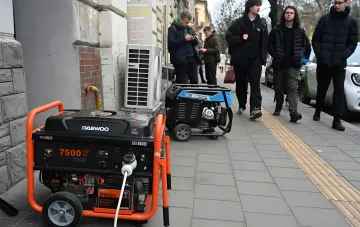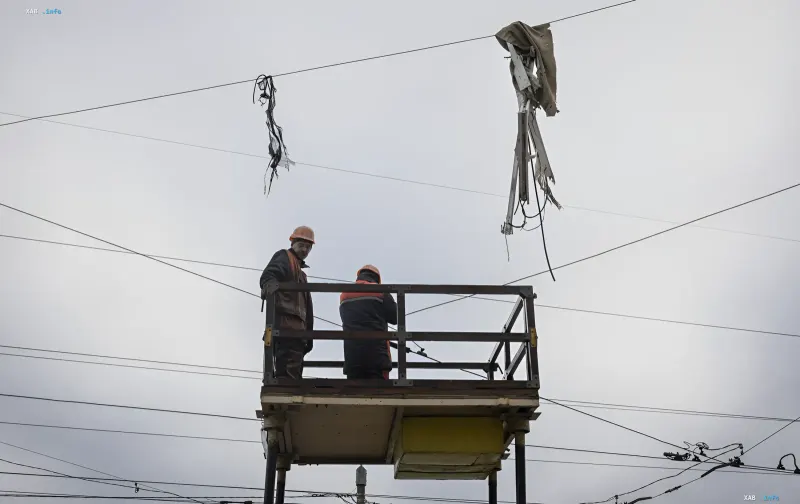
As of November 25, 2026, five regions of Ukraine are facing large-scale power outages caused by a series of attacks on critical infrastructure. The damage inflicted on energy facilities has necessitated the implementation of strict restriction schedules, covering both industrial consumers and the residential sector. The most critical situation has emerged in the Dnipropetrovsk and Zaporizhzhia regions, where emergency teams are working around the clock to stabilize the system.
Regional Aspects of the Crisis
In the Dnipropetrovsk region, which was struck on November 25, emergency power outages have been implemented in the Dnipro, Pavlohrad, Synelnykove, and Samar districts. Both residential neighborhoods and critical infrastructure facilities have been left without power. In the Zaporizhzhia region, despite reports of large-scale damage, energy workers have managed to partially restore power supply. In other regions, including Odesa and Kharkiv, emergency restrictions remain in place, complicated by both the consequences of the strikes and weather factors.
Energy Consumption Restrictions
To prevent a complete imbalance of the energy system, regulators have introduced power limit schedules for industrial enterprises. For the population and other consumer categories, hourly blackout schedules are in effect, providing for current supply restrictions ranging from half a stage to three stages. The Ministry of Energy of Ukraine emphasizes that due to significant damage to equipment, restoring stable power supply will take a long time, while specialists are working on implementing backup supply schemes.
Context and Complexity of Restoration
The operational situation remains extremely tense due to the threat of repeated attacks, which often occur during ongoing repair works. In the Odesa region, according to the ministry, the most significant infrastructure damage has been recorded, making the restoration process the most labor-intensive. Energy workers prioritize ensuring the operation of critical facilities, such as pumping stations, boiler houses, and medical institutions.
Prospects for System Stabilization
The significance of the current damage goes beyond temporary inconveniences: systemic strikes on the energy sector are forcing the country to revise consumer power logistics amid generation deficits. Future developments depend on the efficiency of repair teams and the ability of air defense to protect the remaining distribution nodes. In the coming days, energy conservation measures are expected to continue until major technical work on repairing damaged transformer substations and power lines is completed.