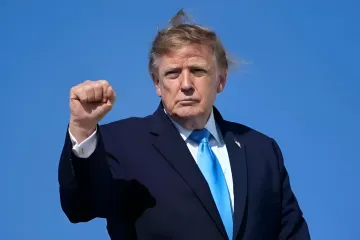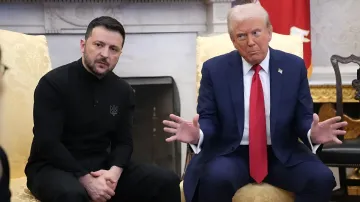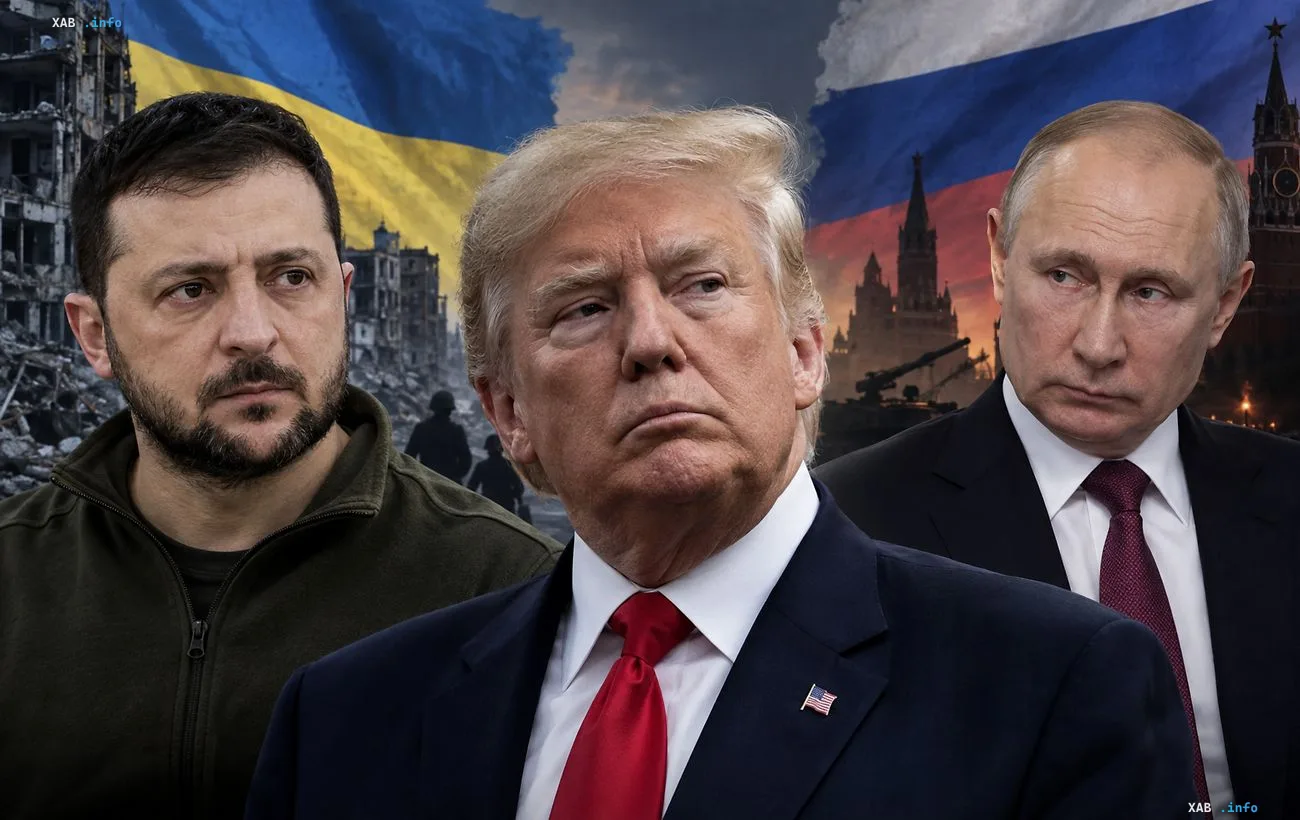
US President Donald Trump unexpectedly announced the introduction of a so-called "energy truce" between Ukraine and the Russian Federation, stating that this initiative had received support from both warring sides. The American leader's statement was published on his official accounts and social media on Sunday afternoon, but it almost immediately collided with the reality on the battlefield.
Background and US-Moscow Oil Deal
This announcement was preceded by a series of closed and public contacts. Last week, Ukrainian President Volodymyr Zelenskyy announced a two-legged meeting between the Ukrainian negotiating team and Donald Trump's special representatives, Steve Witkoff and Jared Kushner, which took place on October 9 and 10 in Miami. Simultaneously, Trump announced reaching a separate agreement with the Russian leadership on large-scale supplies of Russian diesel to the American and global markets. According to the US President, Moscow has committed to supplying hundreds of thousands of tons of petroleum products, which is expected to stabilize prices—a rise that Washington publicly blamed on Ukrainian strikes against Russian oil refineries.
Reactions from Ukraine and the Kremlin
Official Kyiv learned about the "energy truce" primarily from media reports and the American leader's social media posts. President Volodymyr Zelenskyy noted that if Russia has indeed agreed to a ceasefire in the energy sector, then Ukraine is also ready to support this step, but Kyiv expects clear confirmations and coordination. At the same time, despite Washington's loud statements, just hours after the truce announcement, Russian troops launched a strike against energy facilities in Kharkiv, specifically CHP-5, and also attacked infrastructure in Kyiv itself, leaving some residents without electricity and water. Meanwhile, the Kremlin enthusiastically welcomed Trump's criticism of the Ukrainian leadership, calling it "historic," but no official confirmations of observing the energy truce itself have been issued by Moscow at the time of publication.
Contradictory Data
While Donald Trump insists on an immediate halt to attacks on Russian refineries and claims an overarching agreement has been reached, the Ukrainian side emphasizes that it learns about the details of the agreements post-facto and records ongoing shelling of critical infrastructure. According to Western and Ukrainian analysts, Washington's interpretation of the truce boils down to the formula "cessation of strikes on refineries in exchange for cessation of strikes on energy grids," though Moscow has not officially confirmed taking on such obligations. Furthermore, Russian officials focused on the commercial benefits of lifting restrictions on diesel exports, leaving the issue of a military truce in limbo.
Possible Consequences and Outlook
Experts note that any attempts to freeze strikes on energy infrastructure could become a first step toward broader diplomatic efforts previously announced by other international intermediaries, including India, Turkey, and Egypt. Nevertheless, the current escalation and evening strikes on the Kharkiv CHP demonstrate the fragility of any unilateral declarations. If Trump's initiative does not receive a real verification mechanism and mirror implementation by both sides, it risks remaining merely a media episode against the backdrop of an ongoing large-scale conflict.