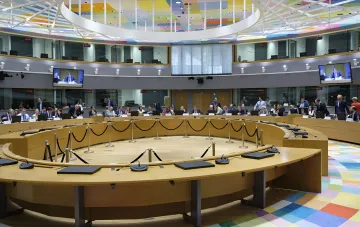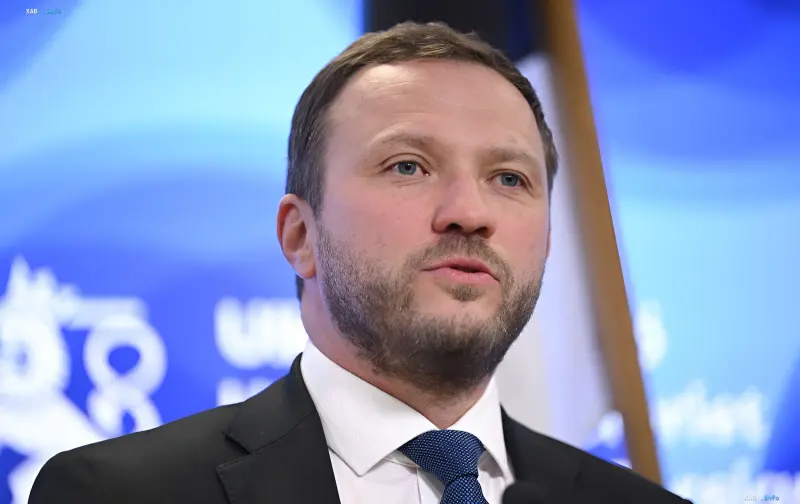
Estonia has officially introduced a legislative ban on the transportation and transit of Russian and Belarusian grain through its territory. This decision is a direct response to the ongoing blockade of Ukrainian grain exports by the Russian Federation and systematic attacks on Ukraine's port infrastructure. As stated by Estonian Foreign Minister Margus Tsahkna, Tallinn has fulfilled its September warning by turning it into acting law and closing any logistical loopholes for the aggressor.
Background and Reasons for Russia's Logistical Maneuver
Amid successful strikes and growing risks in the Black and Azov Sea areas, Russian exporters were forced to urgently redirect their cargo flows to the north—to Baltic Sea ports. Moscow's actions aimed to compensate for colossal losses from the paralysis of traditional southern routes. However, the Baltic states took a firm and principled stance, refusing to facilitate the trade flows of the aggressor state or help finance military operations.
Response of the Baltic States and Economic Consequences
Estonia and its regional neighbors have joined forces to completely rule out the possibility of Baltic ports becoming an alternative transit hub for Moscow. While the Russian agricultural sector faces the threat of a deep crisis and mass bankruptcies due to port blockades, global markets are also reacting to the tension: wheat prices have jumped to a three-year high. The situation creates serious threats not only for current supplies but also for the stability of future agricultural cycles.