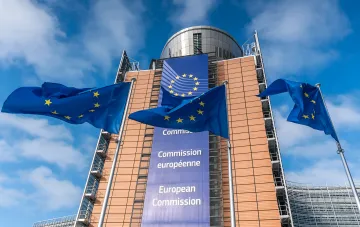
European ambassadors are planning to consider the removal of two prominent businessmen—Russian and Belarusian national Mikhail Gutseriev and Viktor Shevtsov—from the EU's sanctions list against Belarus. This decision stems from successful legal proceedings that the businessmen won in European Union courts.
Legal Victories as a Grounds for Sanctions Review
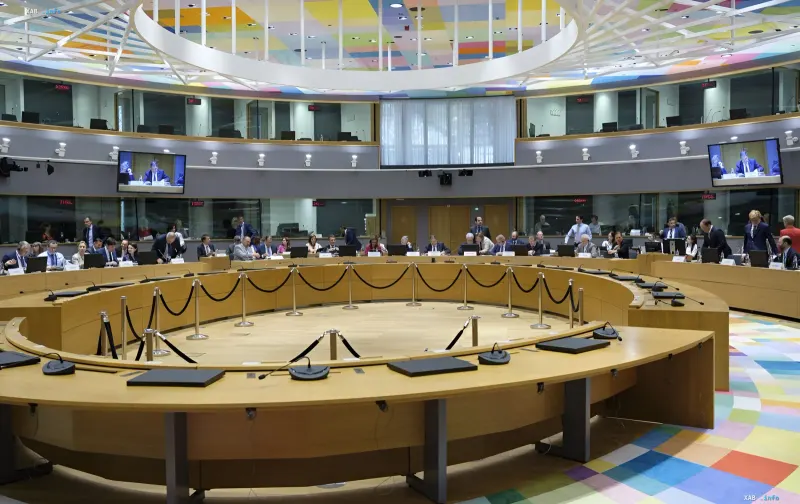
According to Radio Liberty journalist Rikard Jozwiak, the official decision is expected to be made at a meeting of permanent representatives of EU member states. The legal basis for lifting restrictions within the Belarusian sanctions package was secured through winning court cases in which the businessmen managed to prove the groundlessness or legal vulnerability of the personal restrictions imposed on them.
Regulatory Nuances and New Restrictions
Despite being removed from the Belarusian sanctions list, Mikhail Gutseriev will remain under strict European restrictions. This is because he was previously re-added to the sanctions lists under a separate package of measures targeting the Russian Federation for actions undermining Ukraine's territorial integrity and sovereignty.
Contradictory Data
The review of sanctions has sparked serious debate and criticism within the European Union itself. Previously, similar steps to lift sanctions on Russian oligarchs Alisher Usmanov and Mikhail Fridman led to European officials acknowledging major mistakes. Despite this, EU High Representative for Foreign Affairs and Security Policy Kaja Kallas stated that Usmanov and Fridman will not return to the EU sanctions list in the near future, highlighting existing loopholes in Western sanctions policy.
Political and Economic Consequences for Sanctions Policy
Regular victories of sanctioned individuals in European courts demonstrate the vulnerability of EU sanctions mechanisms, requiring legislators to conduct more thorough legal groundwork for each decision. Experts note that such precedents could set a dangerous trend, allowing other major business figures to challenge personal restrictions and achieve their cancellation through courts, thereby questioning the overall effectiveness of sanctions pressure on political regimes.