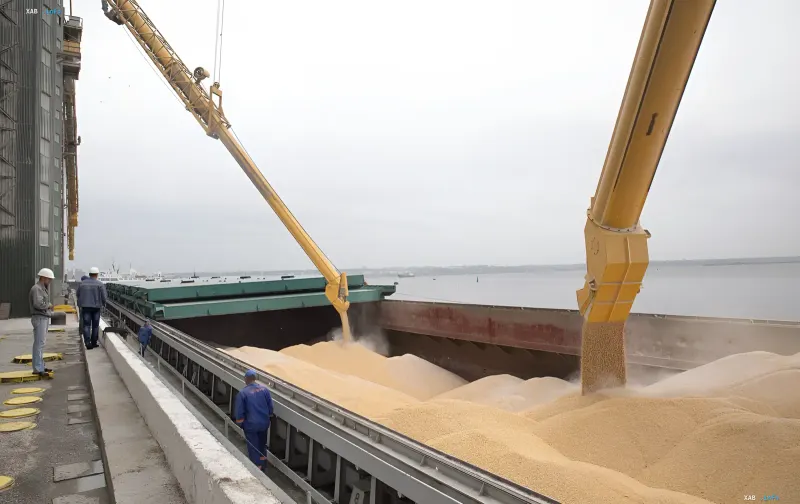
Next week will mark a turning point for the transit grain flow through the Baltic port of Klaipėda. Lithuania is introducing a new regime: wheat, barley, sunflower seeds, and corn exported from Russia and Belarus through this seaport will not undergo customs clearance until laboratory analysis results confirming their origin are received. According to a representative of the Lithuanian Ministry of Agriculture, such checks could take two months or more, and if the declared origin of the cargo proves to be false, the grain will either have to be returned to the sender or destroyed.
Suspicions Regarding the Origin of Shipments
The new measure comes amid an inspection campaign of grain shipments from Russia and Belarus that began in September. Lithuanian authorities stated they suspect some of this grain originates from the temporarily occupied territories of Ukraine. This suspicion formed the basis for the decision to mandatorily hold cargo until analytical procedures are completed. Moscow, in turn, has not commented on the status of grain harvested in the occupied territories, leaving the question of the shipments' origin effectively without independent confirmation from one of the parties.
Logistics, Laboratories, and Costs
A key practical limitation is the lack of a laboratory in Lithuania capable of conducting the necessary analyses. Consequently, testing is carried out abroad, which further extends the timeframe. According to the Lithuanian agency, all costs associated with storage, inspection, and the potential return or destruction of the grain will be borne by the exporters themselves. Thus, the financial burden of lengthening the logistics cycle is shifted onto trade participants rather than the state.
Sanctions Context and Route Shifts
As Reuters notes, EU sanctions ban the import of Russian grain, but transit through the bloc's territory remains permitted—a rule utilized by the new Lithuanian mechanism, which formally does not violate the sanctions regime but effectively hinders cargo clearance. The Baltic states seek to halt the transit of grain from Russia and Belarus through their ports after Moscow began increasingly using Baltic routes due to Ukrainian attacks on vessels and infrastructure in Black Sea ports. The shift in export geography has turned Baltic ports into a critical node, explaining the tightening of controls.
Impact on the Global Grain Market
Market participants are already noting the consequences of this logistical restructuring. According to StoneX commodity risk manager Matt Ammermann, Russian wheat exports amount to roughly half of their usual volume, despite attempts to find alternative export routes. Introducing months-long delays at a key Baltic hub could further reduce throughput and increase volatility against the backdrop of already reduced flows.