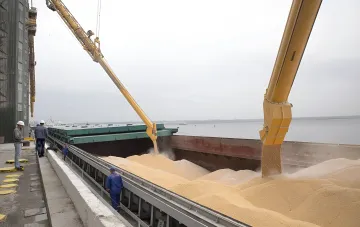
The Russian government has introduced a six-month ban on the export of buckwheat outside the country. According to the Cabinet of Ministers, the decision was made “to maintain a stable situation in the domestic food market.” The restriction comes into force from the moment the decree is officially published and is set for six months.
Exceptions: EAEU and Humanitarian Supplies
The ban does not apply to countries belonging to the Eurasian Economic Union, nor to humanitarian aid provided to foreign states based on government decisions. Thus, intra-union trade and humanitarian channels will maintain their previous character, while commercial exports to third countries will be suspended.
Zeroing Out Duties on Legumes
In parallel, the authorities have reduced export customs duty rates for peas, chickpeas, and lentils, which were previously 5%, to zero. The government explained that “export prices for these products have dropped significantly,” and zero rates are intended to increase the competitiveness of domestic products on the external market. In fact, a dual regulation circuit is created: a strict restriction on exports for buckwheat, and a stimulating reduction in duties for a number of legumes.
Sowing Areas at Historical Minimum
According to Rosstat's spring records, about 708 thousand hectares were sown with buckwheat in Russia in 2026, compared to 751 thousand hectares in 2025. This is the minimum area in the entire modern history of observations since 1990, notes the Agroinvestor publication. According to the regulator's logic, this contraction of crops against the backdrop of sustained demand became one of the triggers for introducing the export ban.
China is the Main Buyer
China became the main importer of Russian buckwheat in 2026. In less than a year, about 157 thousand tons of the crop worth about 56 million dollars were shipped to China. The export ban will effectively block this channel as well, which could affect the structure of supplies and prices in both domestic and foreign markets.
The 2021 Precedent
The previous time buckwheat exports were banned was in 2021: back then, the restriction was in effect from June 5 to August 31, that is, about two and a half months. The current six-month ban is significantly longer, reflecting a more serious assessment of the market state by the regulator. Market observers are now watching how the decision will impact retail prices for the groats inside the country and the positions of Russian legume exporters.