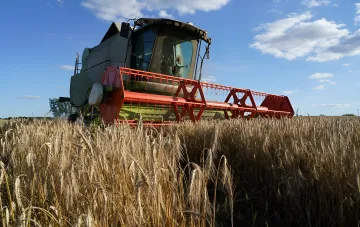

Russia's attempts to redirect its massive grain exports from the Black Sea to alternative logistical routes have faced a deep crisis and effectively collapsed. New port capacities are proving incapable of handling the load, processing only a fraction of the usual volumes. The situation in the agricultural market is worsening amid constant security threats and attacks in the Black Sea, forcing the aggressor to look for roundabout ways to supply food abroad.
New Logistics and Its Severe Limitations
In response to Ukrainian attacks and increased risks in the Black Sea, the Russian side attempted to change its supply logistics chain. According to analytical data from the consulting company Kpler, five key alternative ports managed to increase grain and oilseed shipments to 1.3 million tons during the peak period from July to September. However, this figure looks extremely modest against the backdrop of Russia's traditional Black Sea harbors, capable of handling about 12 million tons of products over the same period. The harsh reality is that there is objectively no full-fledged replacement for the Black Sea direction.Economic Inexpediency and Geographical Deadlock
The main obstacle to redirecting flows has been insurmountable economic inexpediency and a contradiction to the basic geography of supplies. According to estimates by shipping market experts, delivering grain to key North African countries—such as Egypt, Algeria, and Tunisia—via Baltic ports costs 30-35% more per ton compared to southern routes. Despite the temporary abolition of export duties and the introduction of government subsidies for railway transport, which briefly increased shipments to Ust-Luga and Vysotsk, the general geometry of exports makes northern routes unprofitable and inefficient for the agricultural sector.Contradictory Data
While Western analytical agencies, including Bloomberg and Kpler, note a catastrophic drop in alternative shipment volumes and predict a deep crisis with mass bankruptcies for Russian agrarians due to port paralysis, official Russian agencies and pro-government sources insist on the success of trade flow reorientation. In particular, it is argued that internal railway subsidies and the development of eastern and northern corridors can fully offset the losses of southern ports in the medium term, although independent experts like the leadership of the SovEcon company refute the possibility of doubling exports bypassing traditional sea routes.
Threat of Crisis for the Agricultural Sector
The paralysis of key export hubs in the Black and Azov Seas threatens the entire economy of Russian agriculture. Market participants warn that the inability to efficiently deliver record harvests to end buyers will lead to overstocking of the domestic market, a collapse in purchase prices, and massive financial losses for producers. Against this background, any attempts by the Kremlin to artificially resuscitate northern or overland routes remain merely temporary palliatives, incapable of saving the export industry from systemic collapse.