
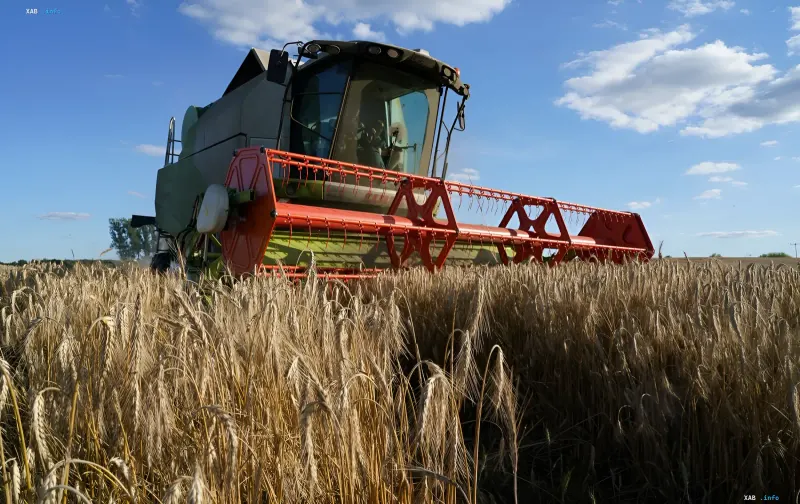
The Cabinet of Ministers of Ukraine has decided to ease the conditions for the maximum settlement deadlines under a number of key export agricultural contracts. This was announced on September 5, 2026, by Prime Minister Serhiy Hordiienko in his Telegram channel, as reported by RBC-Ukraine. In essence, the state has granted exporters additional time — up to six months beyond the established norms — to fulfill their obligations to counterparties.
Which goods and categories are affected by the decision
The new rules apply to six items that form the backbone of Ukraine's agricultural exports: wheat, corn, soybeans, sunflower seeds, sunflower oil, and meal. For these goods specifically, the Ministry of Economy has been empowered to extend the maximum settlement deadlines upon the request of the exporters themselves. The decision does not cover all crops without exception, but rather the specific list that generates the main currency inflow from the agro-industrial complex.
Mechanism: up to 180 days upon the exporter's application
The key parameter of the new procedure is that the maximum extension period is 180 days. The initiative must come from the exporter itself: the company submits a request to the Ministry of Economy with a justification for the need to shift the deadlines, and the ministry then makes the decision. This mechanism avoids an automatic mass rescheduling of obligations and preserves an individual assessment of each contract. For business operators, this means that in the event of a delivery delay due to external factors, they will not automatically be considered in breach of the maximum deadline conditions.
Reason: systematic attacks on port infrastructure
The Prime Minister directly linked the decision to the situation in the Black Sea region. According to him, enemy attacks on civilian vessels and port infrastructure have forced Ukrainian exporters to reroute their logistics. This, in turn, has led to longer delivery times to end buyers and, as a result, an inability to meet the previous maximum settlement deadlines. Hordiienko described this step as a "forced measure in response to systematic Russian terror in the Black Sea region."
Goals of the measure: preserve exports and resources for sowing
The government emphasizes three practical goals of extending the deadlines. The first is to give producers and exporters a real buffer of time to fulfill contracts under complicated logistics. The second is to preserve export volumes and, consequently, currency inflows to the state budget. The third is to provide farmers with the financial resources needed to prepare for and carry out the upcoming sowing campaign. Thus, the measure is not only operational but also strategic in nature, linking the current export cycle with the planning of the next one.
The Cabinet's decision takes effect after the official publication of the corresponding resolution. Experts in the agricultural sector expect that in the coming weeks the Ministry of Economy will detail the procedure for submitting extension applications and the criteria for their review.