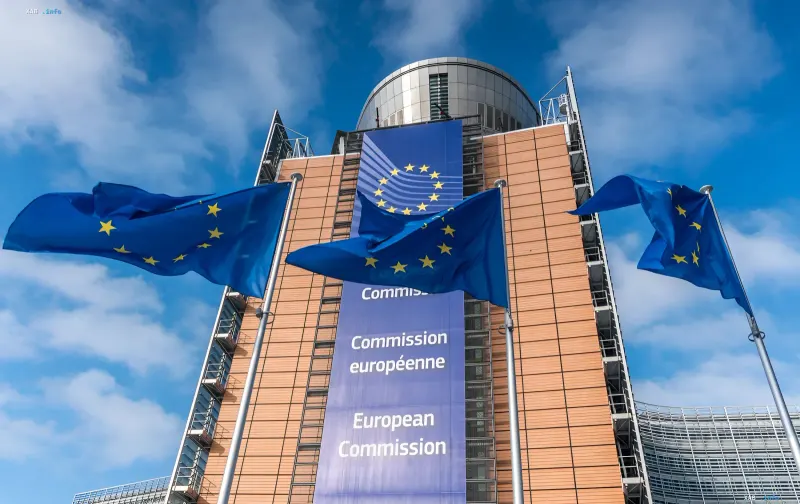
European Union ambassadors officially agreed on a new large-scale package of anti-Russian sanctions on October 7, 2026. This became known from reports by leading European media and specialized diplomatic sources who were the first to draw attention to the key details of the emerging sanctions pressure on Moscow.
Details of the New Sanctions Package
According to Radio Free Europe's Europe editor Rikard Jozwiak, EU ambassadors gave the final green light to restrictive measures covering hundreds of individuals and legal entities. The blow fell on 743 people and 826 organizations involved in the military-industrial complex of the Russian Federation, which should significantly complicate the supply and production of weapons.
Expansion of the List via MPs and Chemical Weapons
A separate block of restrictions targets 77 individuals who were illegally elected to the Russian State Duma from occupied Ukrainian territories. In addition, European diplomats agreed on a severe update of the sanctions regime targeting Russia's use of chemical weapons at the front, adding 31 people and 6 related organizations to the specialized blacklists.
Security Context and EU Diplomacy Plans
The adoption of these measures comes against the backdrop of increasingly frequent drone incidents, sabotage, and arson threats in NATO countries. Previously, EU foreign policy chief Kaja Kallas emphasized the intention to strengthen pressure, and Bloomberg earlier noted that more than 1,600 entities helping wage war against Ukraine could fall under general restrictions.