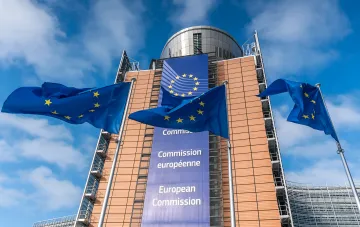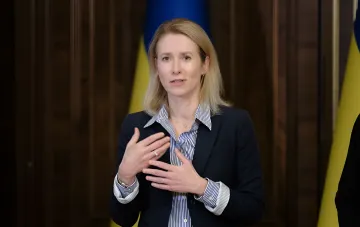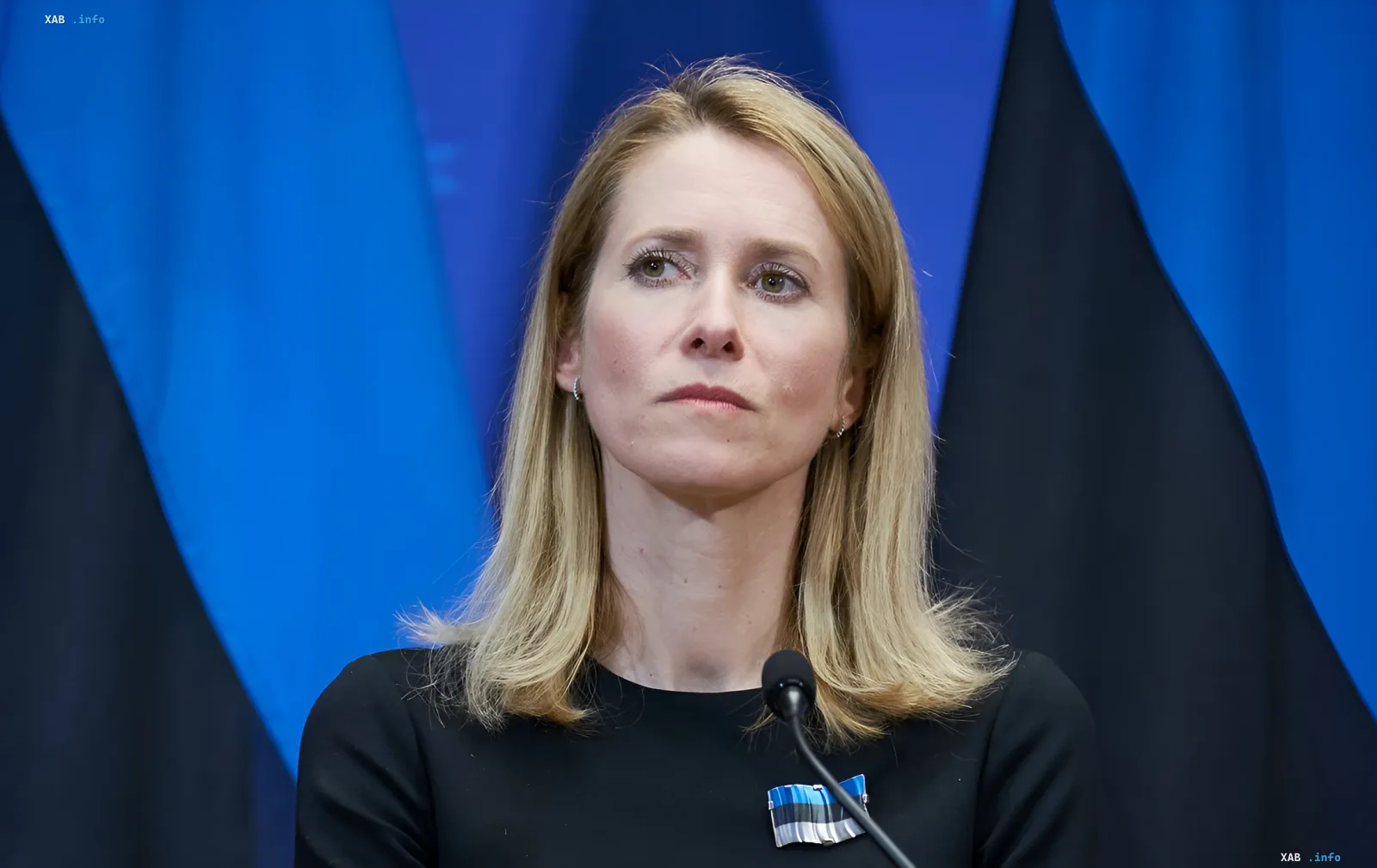
High Representative of the EU Kaja Kallas stated that the current moment demands not a relaxation, but a maximum increase in sanctions pressure on the Russian Federation. According to her, the European community shows unity in continuing the economic isolation of the Russian war machine, ignoring calls to soften restrictions. This statement was made against the backdrop of massive attacks on civilian infrastructure in Ukraine, which have claimed the lives of over 80 civilians in the last 48 hours.
New Package of Anti-Russian Measures
It is expected that this coming Monday, the foreign ministers of EU member states will approve the largest package of sanctions since the beginning of the full-scale invasion. The main focus of these measures is on critical sectors of the Russian economy that support the military-industrial complex. According to Kallas, Moscow is not only continuing hostilities but is also intensifying hybrid threats against EU and NATO members, making any concessions unacceptable.
Contradictory Data
The situation is complicated by foreign policy disagreements between Washington and Brussels. The administration of President Donald Trump recently decided to allow the import of Russian diesel fuel for a period of six months, which has sparked a wave of criticism in Western political circles. While Democratic senators call this step a betrayal of the interests of allies, official Kyiv emphasizes that revenues from such deals are directly converted into the production of missiles and drones used for terrorizing the population. The European side, represented by Kaja Kallas, insists on the need to close such loopholes that undermine the overall containment strategy.