The military operations of Russia and Ukraine have entered a deep stage of mutual zugzwang, where each subsequent step only worsens the positions of the parties, yet they cannot stop moving. According to political analyst Igor Petrenko, frontline dynamics have recently demonstrated minimal territorial changes at the cost of colossal resources. According to a September report by The Wall Street Journal, the Russian army captured about 890 square kilometers over the year, while Ukrainian forces de-occupied 800 square kilometers, leaving the Kremlin with a net gain of just 90-100 square kilometers. This differs significantly from the pace of previous years when the scale of the offensive was measured in thousands of square kilometers.
Mutual Zugzwang and Resource Depletion
Such a strategic stalemate is also reflected in Ukrainian public sentiment. According to a Rating group sociological poll conducted on October 3-5, 2026, 62% of respondents believe that no one is winning the current conflict. Russia cannot conclude the campaign without achieving its stated goals, but further progress requires unacceptable costs. In turn, Ukraine lacks sufficient resources for a strategic breakthrough on the battlefield. This is precisely why hostilities have shifted deeper into the territories—targeting energy infrastructure, logistical bridges, and ports.
Four Clocks and the Mediator's Zeitnot
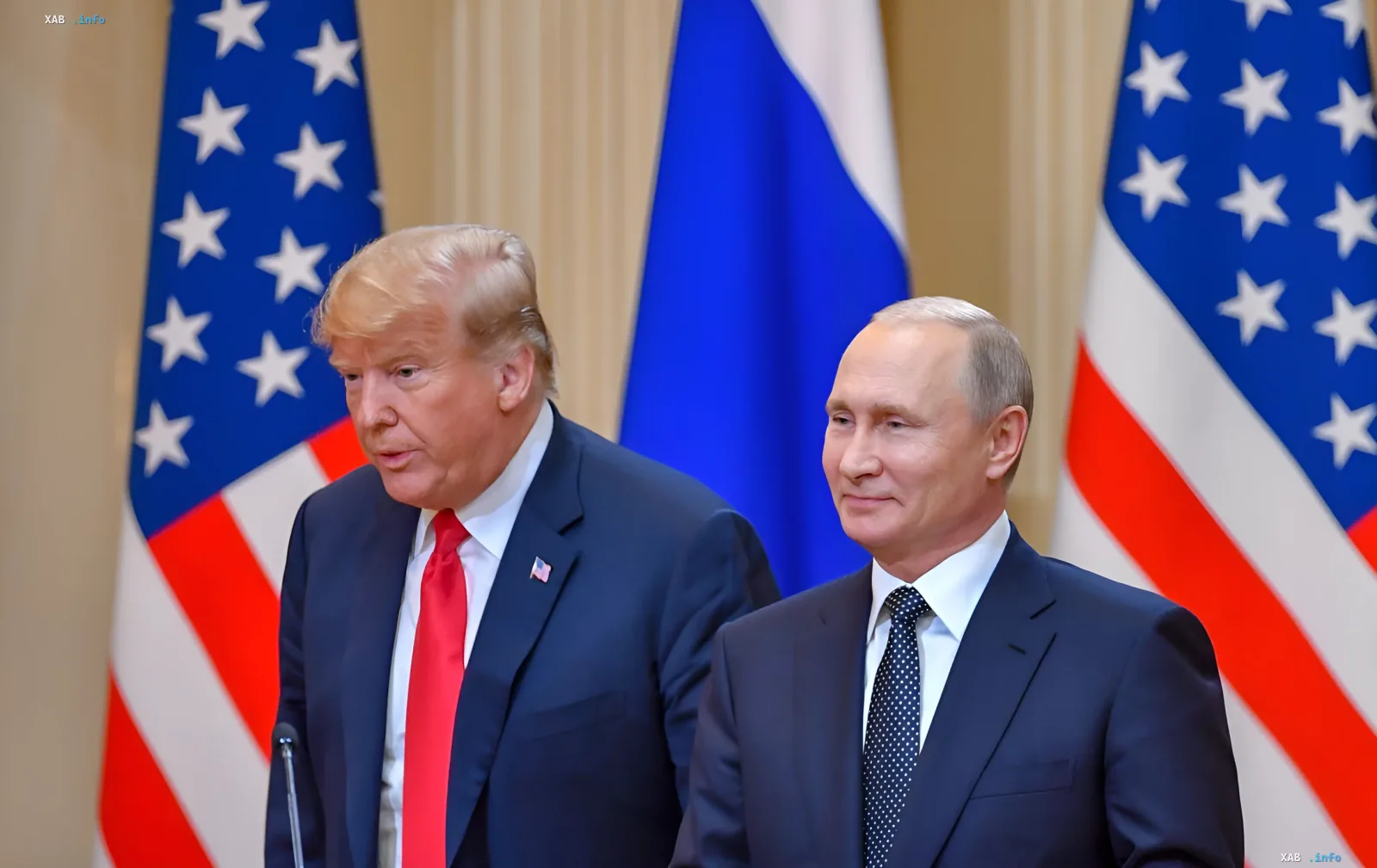
The situation with time resources—zeitnot—on the international arena looks heterogeneous and is divided into several time flows: Ukrainian, Russian, American, and European. The American mediator, ahead of the midterm elections on November 3, 2026, faced a severe zeitnot, striving to demonstrate quick economic results. Against this backdrop, on October 9, Donald Trump reached an agreement with Moscow on supplies of Russian diesel to the global market in exchange for stabilizing domestic fuel prices for American truckers and farmers. Meanwhile, the energy truce announced by the White House on October 11 came as news to Kyiv, and the very next day, Zaporizhzhia was subjected to a massive attack by guided aerial bombs.
Contradictory Data
Serious discrepancies persist in the public sphere regarding the real parameters of international support and diplomatic maneuvers. On one hand, official Washington statements claim that the achieved energy agreements are designed to stabilize global markets and reduce inflationary pressure. On the other hand, the Ukrainian side and European institutions point out that such unilateral steps and the US Treasury's issuance of licenses for Russian diesel until April 2027 effectively weaken the sanctions regime in favor of the Kremlin without guaranteeing a sustainable local ceasefire. Such discrepancies in assessments create additional risks for Ukraine's financial and defense stability in the first quarter of 2027.
Implications for European and Ukrainian Strategy
The financial burden on Ukraine remains unprecedented: the government estimates the cost of the current year at $155 billion, with a significant portion of the budget depending on external aid. The Prime Minister openly states that the ability to conduct active hostilities in early 2027 depends on the timely receipt of these funds. Under these conditions, the European clock ticks slower, yet Europe remains the main guarantor of maintaining the sanctions line against Russia after American preferences. The strategy of Ukrainian diplomacy is now to force external players to act in the interest of strengthening Ukraine's air defense and security rather than short-term political expediency.