The European Union has officially approved a record-breaking expansion of its sanctions list against the Russian Federation since the escalation of the full-scale conflict. The total scope of restrictions has been augmented by nearly 1,600 new entries, marking an unprecedented step by European institutions aimed at systematically weakening Moscow's military and industrial potential.
Massive Blow to the Military-Industrial Complex
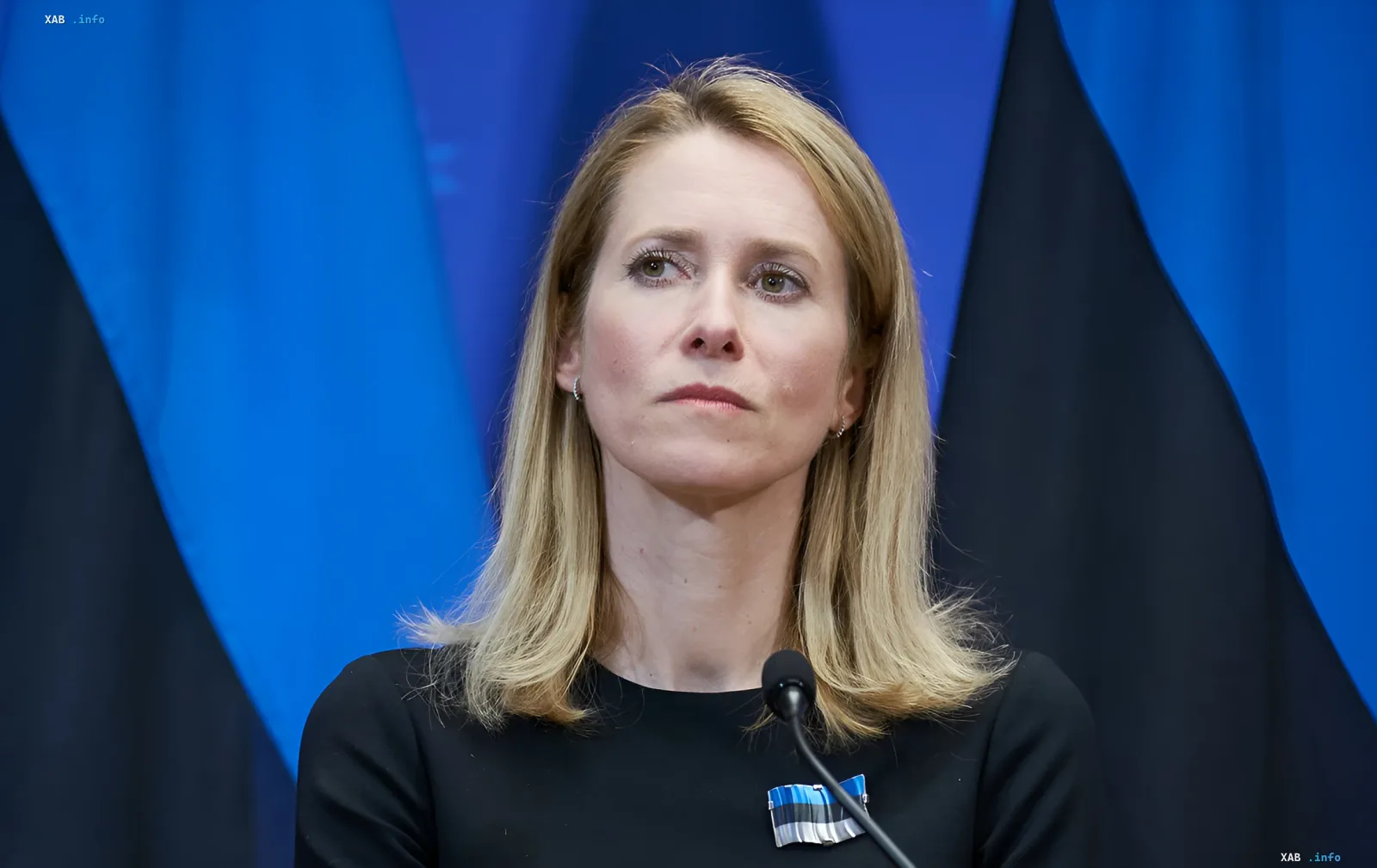
According to Kaja Kallas, the EU High Representative for Foreign Affairs and Security Policy, in her official post on social media platform X, EU foreign ministers unanimously supported this package. More than half of all new restrictions directly target the supply chain for ballistic missile production. According to European leaders, such measures are designed to make the process of manufacturing weapons for the Russian army significantly more complex, resource-intensive, and time-consuming.
Contradictory Data
Against the backdrop of introducing a massive sanctions package against the Russian military-industrial complex, the expert community and media have drawn attention to parallel processes within the European Union that generate debate. While Kallas declares maximum tightening of pressure, in September 2026, the information space actively discussed EU Council decisions to extend baseline restrictions for another 3 years, accompanied by initiatives to exclude a number of prominent Russian businessmen, such as Mikhail Fridman and Alisher Usmanov. These steps encountered fierce resistance from individual countries, notably Latvia, which blocked the lifting of personal sanctions against Usmanov, demonstrating ongoing internal contradictions in Brussels' approaches.
International Reaction and Global Context
Kyiv, for its part, continues to insist on the absolute necessity of cutting off any loopholes for the supply of Western components found in ninety percent of Russian weaponry. Ukrainian Foreign Minister Andrii Sybiha announced new proposals, including expanding personal sanctions against ten influential Russian oligarchs. Meanwhile, other trends are unfolding on the international stage: in particular, the US House of Representatives is preparing a bipartisan bill to ban the purchase of Russian oil, initiated by Congressman Brian Fitzpatrick, coming on the heels of earlier decisions by Washington allowing Russia to sell diesel on global markets.