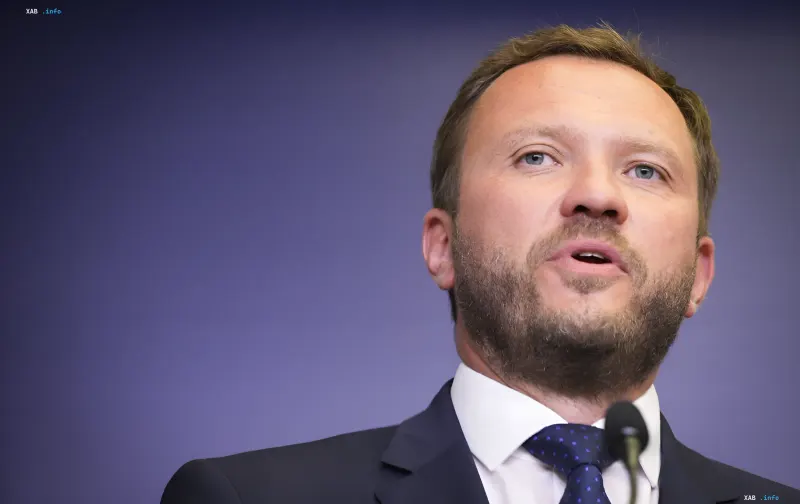
Estonian Foreign Minister Margus Tsahkna, in a public post on social media X, categorically rejected the idea of inviting European leaders to Moscow for negotiations on the settlement of the conflict in Ukraine. According to him, "no Kremlin tourism will help here," and Europe's position has remained unchanged for many years. The only problem, the head of Estonian diplomacy emphasized, lies in Vladimir Putin's unwillingness to change course.
"When will Russia stop bombing Ukraine?"
Tsahkna formulated what he believes is the only truly important question for the Kremlin: when will Russia stop bombing Ukraine, killing its citizens, and systematically destroying energy infrastructure. The minister pointed out that if Moscow wants peace, the first step must be agreeing to a ceasefire. Ukraine, he noted, has proposed this repeatedly, and the international community has called for the same many times. Such a step, Tsahkna emphasized, is the first on the path to meaningful negotiations for a lasting peace.
Warning against "diplomatic theatre"
The Estonian diplomat warned that Europe should not allow itself to be drawn into a "diplomatic theatre" and discuss Putin's new ultimatums, which include the demand for Finland to withdraw from NATO. "There is nothing new to discuss in Moscow. Russia's demands remain unchanged, and Europe must not compromise on the choices of sovereign states," Tsahkna stated. He added that the success of any diplomatic efforts will be determined by whether Russia changes its behavior in practice.
Pressure and support: course unchanged
Until Russia changes its course, Tsahkna urged continued pressure on Moscow and strengthening Ukraine. By this he means maintaining the sanctions regime, military and financial support for Kyiv, and working on reliable security guarantees. According to him, the "Coalition of the Willing" is already preparing for the post-war period, and the European Union is working on a new sanctions package. "Putin must understand: neither invitations nor ultimatums will change Europe's position. Russia must stop its aggression, respect Ukraine's sovereignty, and abandon imperial ambitions that pose a threat to the security of all of Europe," the minister summarized.
Context: Trump's call and the Shenzhen summit
Tsahkna's statement came against the backdrop of tense diplomatic events on November 19. On that day, US President Donald Trump, while aboard an aircraft, called a meeting of Kyiv's European allies in Berlin and cast doubt on continued multi-billion-dollar aid to Ukraine. This occurred a few hours after his summit with Vladimir Putin and Xi Jinping in Shenzhen, China. Later, Trump urged Europeans to communicate directly with Putin, noting that issues of war and peace in Russia are decided by "only one person." It was essentially to this call that the Estonian Foreign Minister responded, drawing a red line for Tallinn and, in his own words, for all of Europe.