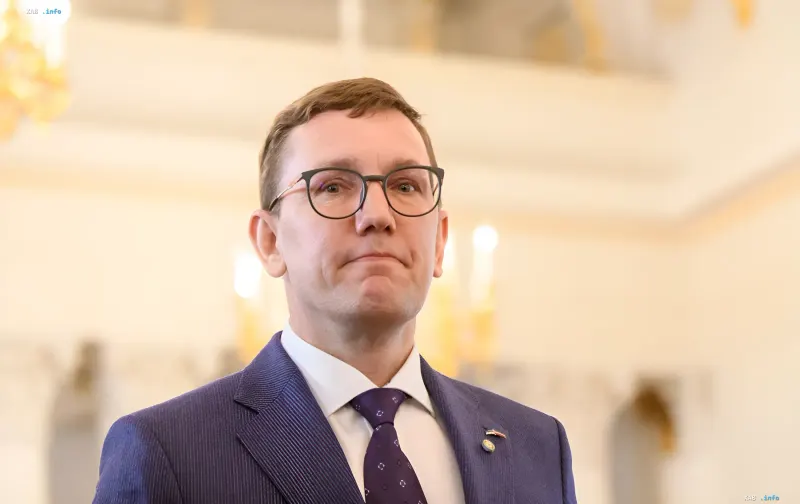
Estonian Prime Minister Kristen Michal, in an interview with Politico, made a sharp statement arguing that Europe should not take on the role of mediator in potential negotiations with the Russian leadership. According to him, opening a direct diplomatic channel with the Kremlin could weaken the position of European countries and undermine the united line of pressure on Moscow. «Europe should not take the position of a mediator. There is no need to assume the role of someone trying to please a dictator», Michal stressed, adding that the responsibility for the war lies solely with the Russian leadership: «The problem sits in the Kremlin. Nowhere else».
Economic "suffocation" as a working strategy
The Estonian Prime Minister is convinced that the current strategy of economic pressure on Russia is proving effective and must be continued. «For the first time, Europe has a truly working plan — the economic "suffocation" of Russia through sanctions», he stated. Michal warned that readiness to act as a mediator will inevitably lead to a lowering of standards: «To be a mediator means to be ready to lower standards — for example, regarding Russia, particularly in matters of introducing and enforcing sanctions». Thus, according to his logic, simultaneously supporting Ukraine, strengthening the sanctions regime, and attempting diplomatic mediation are incompatible with each other.
Hybrid threats and visa restrictions
A separate block of Michal's statement was devoted to the hybrid war that, in his assessment, Russia is waging on European territory. The Prime Minister pointed out that Moscow uses the free movement of Russian citizens across the European space to conduct sabotage operations and other hostile actions. «You should not allow such people to move freely around Europe. Therefore, restrict the issuance of visas», he urged, effectively advocating for the tightening of visa policies regarding Russian citizens at the continent-wide level.
Context: who and in what format is playing the diplomatic game
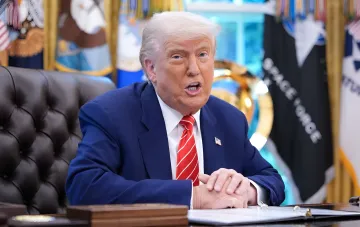
Michal's statement came against the backdrop of active diplomatic activity surrounding conflict resolution. As previously reported, European leaders are considering five politicians who could potentially represent Europe in negotiations with Vladimir Putin. In Washington, meanwhile, Germany, France, and the United Kingdom (the so-called E3 format) are considered the most likely participants in negotiations to end the war. US President Donald Trump's administration is undertaking its own efforts to achieve a peace agreement, which Michal commented on with restraint: Europe, he said, appreciates Washington's diplomatic efforts, but the main pressure must be directed precisely at Russia.
Moscow's position and format mismatches
The Russian side, according to available data, is not interested in the EU's presence at the negotiating table on Ukraine. At the same time, European politicians emphasize that any negotiations on ending the war are impossible without the participation of Ukraine and Europe. Thus, around the format and composition of the negotiation process, a persistent mismatch of positions is forming: Moscow strives for a bilateral or limited format, Europe insists on inclusion in the process, and within the European camp itself, discussions continue about what exact role — participant or mediator — the continent should play. Kristen Michal's statement establishes the strictest position in this dispute: Europe is required not to provide diplomatic mediation, but to maintain consistent sanctions pressure and military support for Kyiv.