A breakthrough has occurred in the fields of energy and materials science that could revolutionize our understanding of the lifespan of autonomous devices. Scientists from the University of Bristol, in close collaboration with the UK Atomic Energy Authority (UKAEA), have unveiled a prototype of a revolutionary power source. This new device, known as a diamond nuclear battery, is capable of functioning for millennia without the need for recharging or any technical maintenance.
From Archaeology to Energy: How It Works
The technology is based on the use of the radioactive isotope carbon-14. Historically, this isotope is known as a key tool for archaeological dating of ancient artifacts. However, British researchers have found a completely different application for it: the generation of a long-lasting micro-current. The battery's operating principle relies on the slow radioactive decay of carbon-14, which has a half-life of about 5,700 years. This means that even six thousand years after activation, the device will retain half of its initial power.
Diamond Semiconductor and Radiation Protection
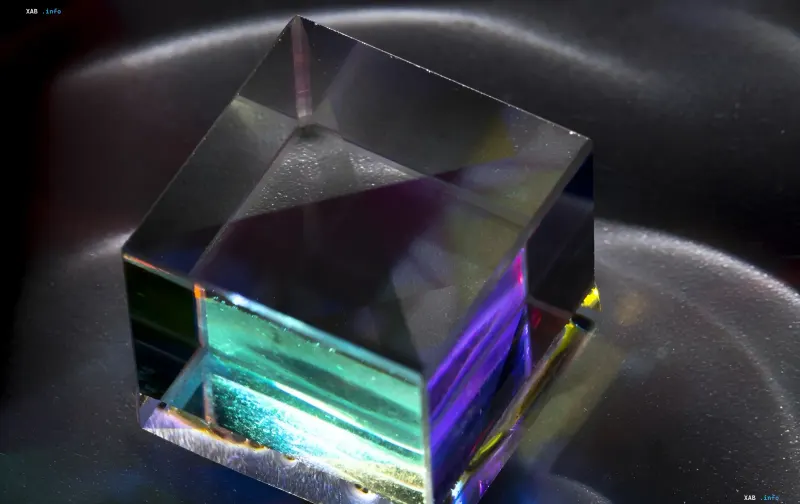
A key feature of the design is the use of synthetic diamond as a semiconductor. During the decay of carbon-14, fast beta particles (electrons) are emitted. The diamond casing captures the movement of these particles, converting them into a direct electric current. It is important to note that diamond possesses a unique ability to completely absorb beta radiation within its structure. This makes the device safe for operation: the release of dangerous radiation to the outside in normal mode is completely excluded.
Turning Nuclear Waste into a Resource
One of the most significant aspects of the project is the source of raw materials. The primary material for producing such batteries is radioactive graphite, which is extracted during the decommissioning of nuclear reactors. Extracting the carbon-14 isotope from the surfaces of graphite blocks solves a dual task: disposing of hazardous waste and creating a valuable energy resource. After the end of its service life, the diamond module is also subject to reprocessing or safe disposal, closing the ecological cycle.
Applications: From Medicine to Space
Despite its impressive longevity, the battery's power output is measured in microwatts. This means it cannot replace lithium-ion batteries in smartphones or electric vehicles. However, the main value of the innovation lies in powering equipment in conditions where replacing power sources is difficult, dangerous, or technically impossible. Promising areas of application include medical implants (pacemakers and neurostimulators) that can operate for decades without repeat surgeries, as well as space probes for deep space and remote weather stations in the Arctic.
Contradictory Data
While the scientific community welcomes the discovery, there are disagreements regarding the timeline for the commercialization of the technology. On one hand, representatives of the University of Bristol claim readiness to seek commercial partners and scale up production in the near future. On the other hand, nuclear regulation experts note that the certification process for such devices for medical and space applications could take 5 to 10 years due to strict safety and radiation control requirements. At present, the device remains at the prototype stage, and the exact date of its release to the mass market remains a subject of debate.