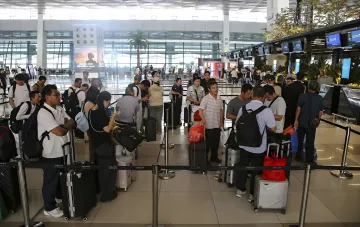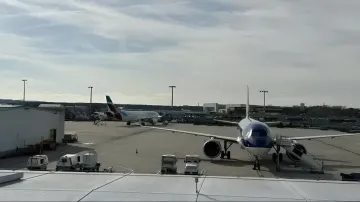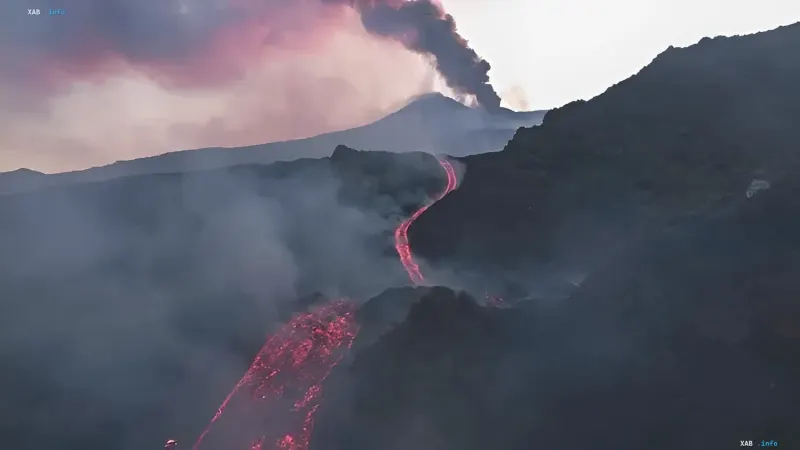
On August 16, 2026, Sicily faced a massive transport crisis due to the eruption of Mount Etna. Regional authorities announced the extension of the closure of Catania-Fontanarossa International Airport, which will remain inaccessible for arrivals and departures until at least noon on the current day. The cause is the dangerous accumulation of volcanic ash in the airspace, posing a direct threat to aircraft.
Technical Threat and Safety Measures
Aviation safety experts emphasize that volcanic ash represents a critical risk for jet engines. Microscopic silica particles, when entering the hot zones of turbines, can melt and form an abrasive mass capable of disabling the engine or causing it to stall in mid-air. This is why the airport management company, SAC, adopted a conservative approach: careful monitoring of the situation and a ban on flights until ash concentrations drop to safe levels.
Scale of Transport Collapse
According to official data from SAC, the situation at the airport has reached a critical point. Between August 6 and 12, 2026, nearly 2,000 flights were scheduled. Of these, about 36% were completely cancelled, and more than 600 flights had to be diverted to other airports in Italy and Europe. This event became the longest and most significant disruption at Catania's air hub since 2002, when the volcano also showed an active phase.
Economic Consequences for Tourists
The closure of the island's main air gateway created a domino effect in Sicily's transport system. A huge flow of stranded passengers trying to reach hotels or other cities led to a sharp shortage of ground transport. As a result, prices for taxi services and car rentals in the region skyrocketed. Tourists trapped in the situation were forced to pay several times more for standard routes, sparking a wave of dissatisfaction among travelers.
Reaction of the Tourism Industry
The Italian Federation of Travel Agents and Tour Operators (FITEL) has already reacted to the incident. The organization proposed to the government and regional authorities the creation of a special working group. Its task is to coordinate response measures to disruptions caused by the Etna eruption to minimize damage to the tourism industry and ensure the rapid evacuation or relocation of affected guests.