The European Commission approved an additional €6.1 billion in financial aid for Ukraine on August 24. This was reported by RBC-Ukraine, citing a publication by the Reuters news agency. The funds are earmarked exclusively for defense needs and are intended to strengthen the country's air defense systems. The decision was made against the backdrop of ongoing Russian strikes on Ukrainian territory and, according to Brussels, requires prompt implementation.
What will be purchased with the allocated funds
The new tranche will be used to acquire specific categories of weapons and equipment. Primarily, this refers to air defense and missile defense systems, as well as missiles, ammunition, and radars. Thus, the financing is focused on the elements that enable the detection, tracking, and interception of aerial targets, including ballistic and cruise missiles, as well as unmanned aerial vehicles. Priority is given to the missile defense and anti-ballistic component, which Brussels calls the most scarce in the current operational situation.
Context: the overall €16 billion package
The approved tranche is not an isolated decision but complements the previously approved European Union procurement plans for Ukraine totaling €16 billion. According to available data, €8.35 billion has already been paid out of this amount. This means that the new €6.1 billion package significantly increases the total volume of funds, effectively bringing it close to the full utilization of the established European defense plan. This trend indicates that Brussels has moved from one-off deliveries to systematic, phased financing of Kyiv's defense needs.
Brussels's position: von der Leyen's statement
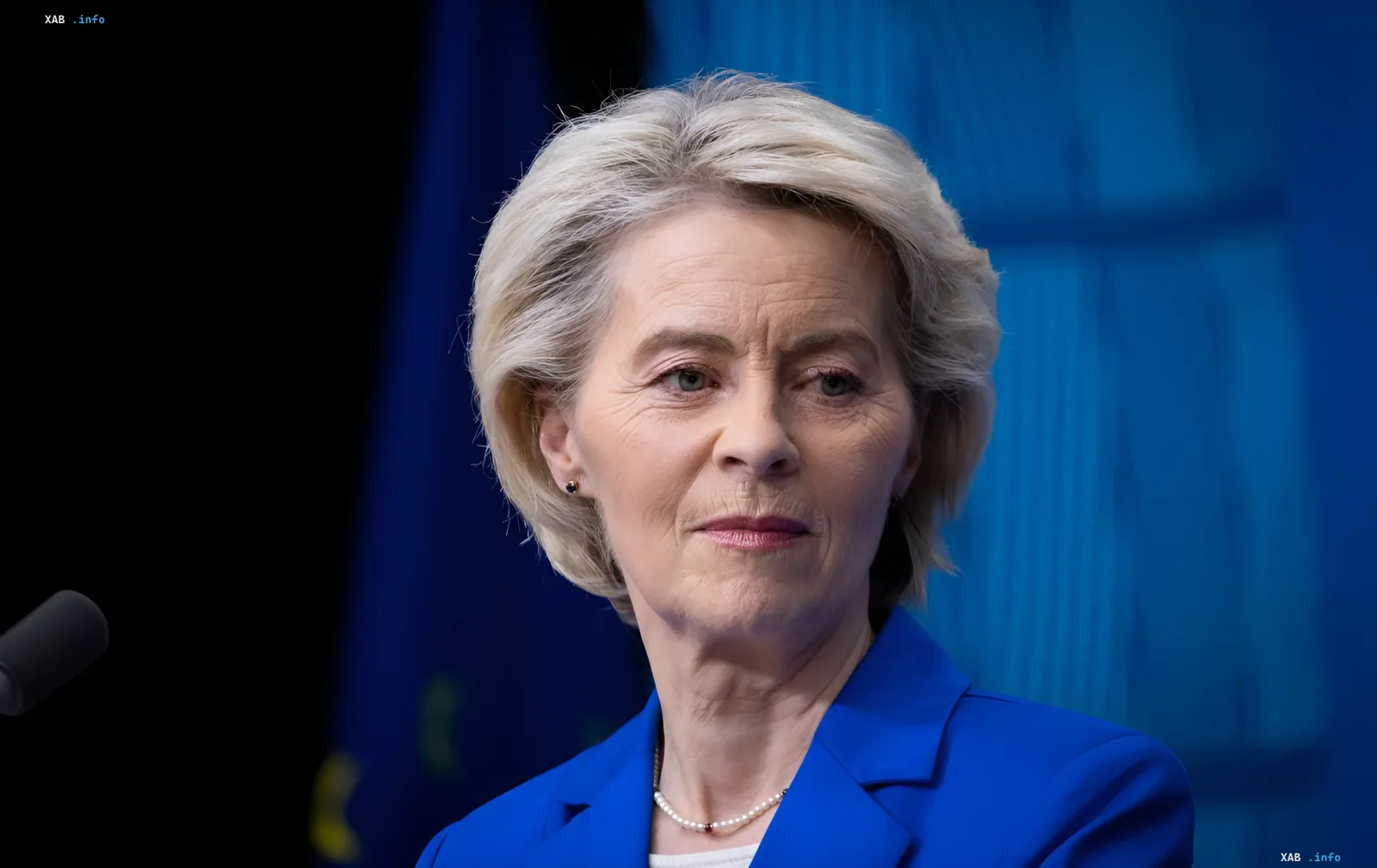
European Commission President Ursula von der Leyen explained the need for additional aid by the intensification of Russian attacks. "As Russia intensifies its attacks, we are working to help Ukraine protect its people and its sky. Europe stands with Ukraine, and we will provide it with what it needs, when it needs it," she stated. According to her, Russia continues to strike the civilian population amid its own military setbacks, which is why strengthening Ukraine's missile and anti-ballistic defense has been called the "most urgent priority" for the European Union.
Operational significance of the decision
From a military logic standpoint, the combination of funds for air/missile defense, missiles, ammunition, and radars forms a closed defense loop: radars provide detection, air/missile defense systems and missiles provide interception, and ammunition ensures resilience to prolonged attrition. Allocating funds specifically for these categories indicates that Europe is focused on protecting the population and critical infrastructure in the context of a protracted conflict. For Kyiv, this means the ability to replenish stocks and modernize air defense divisions; for Brussels, it is a deterrence instrument implemented through allied defense rather than direct military involvement.