European capitals have intensified discussions on appointing a special representative to conduct direct talks with Moscow regarding the settlement of the conflict in Ukraine. According to Politico, against the backdrop of Washington's active contacts with the Kremlin, Brussels is increasingly aware of the need for a direct communication channel with the Russian leadership to protect regional interests and prevent the imposition of unfavorable peace terms.
Position of European Leaders and Reasons for Finding an Intermediary
Czech President Petr Pavel stated that Vladimir Putin does not perceive European Union institutions as an authoritative force and refuses to hold a dialogue with Ursula von der Leyen or Kaja Kallas, while also having ceased contacts with leaders of key countries, including Emmanuel Macron. In his view, the EU needs to identify a specific individual or group of individuals who would be authorized to speak on behalf of Europe in the negotiation process.
Recent contacts between US President Donald Trump and the Russian leadership bypassing Ukraine and European suppliers have caused serious concern in Brussels. This has spurred discussions on creating the EU's own effective diplomatic communication channel with the Kremlin so that the European side can influence the parameters of a future peace agreement.
Selection Criteria and Potential Candidates
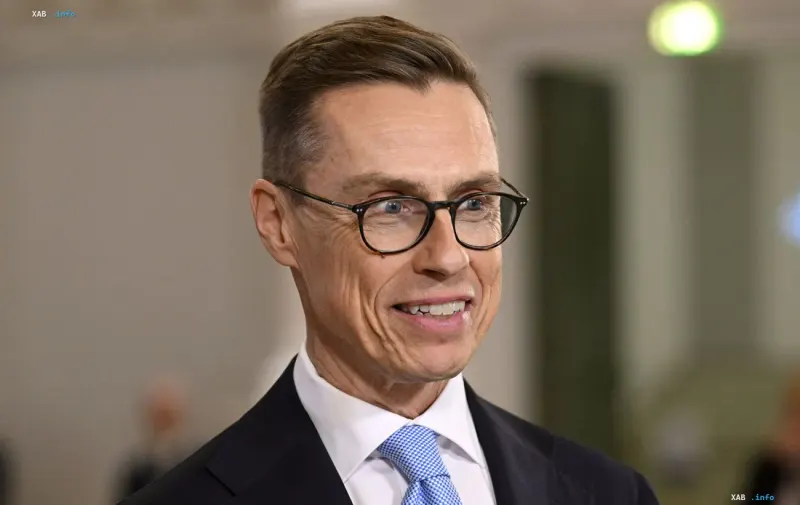
Diplomatic circles have not yet reached a consensus on who exactly should represent EU interests. Some officials point to Finnish President Alexander Stubb, who has developed constructive relations with Donald Trump, while Helsinki possesses historical experience in interacting with its eastern neighbor.
At the same time, proposals are being made to utilize the apparatus of European Council President Antonio Costa, whom some diplomats consider a more impartial mediator compared to the European Commission President or the High Representative for Foreign Policy, who are deeply involved in supporting Kyiv.
Significance and Potential Consequences of the Initiative
The attempt to form a single negotiating mandate and find a suitable figure demonstrates Europe's desire to preserve its agency amid a changing geopolitical environment. The ability of the European Union to defend its own security interests and ensure that the Ukrainian position is taken into account in any future international agreements will depend on the effectiveness of the chosen representative.