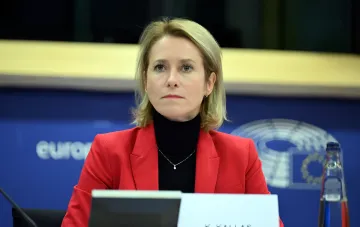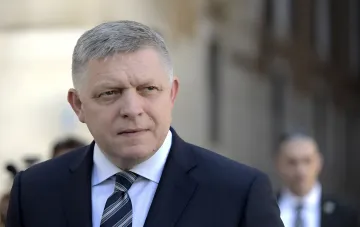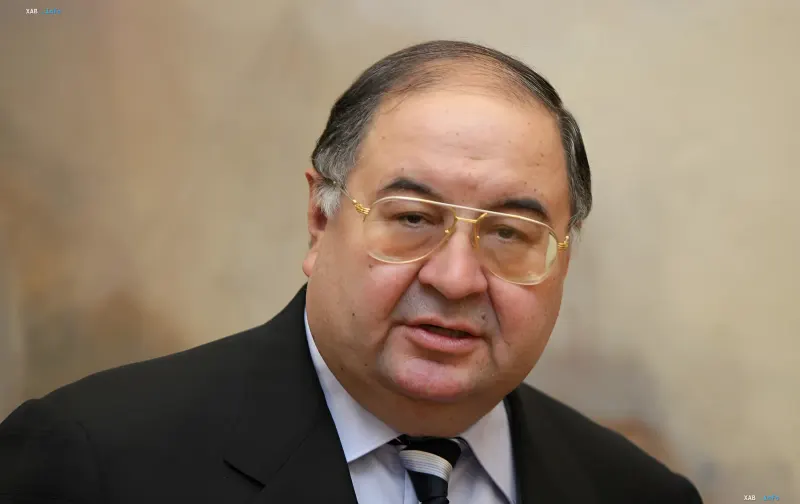
The European Union, following the latest meeting of the Committee of Permanent Representatives (Coreper), failed to reach an agreement on removing Russian oligarchs Alisher Usmanov and Mikhail Fridman from the sanctions list. This was reported on September 22, 2026, in his X account by the well-known European journalist Rikard Jozyak, whom RBC-Ukraine and a number of other publications cite. According to his data, "no agreement was reached this evening on removing Usmanov and Fridman from the sanctions list; while compensation is provided for by extending other sanctions by 36 months." The written decision-making procedure, the journalist clarified, has not been completed, and the meeting itself was extended from 20:00 to 22:00 and, in his assessment, "may last even longer."
Slovakia, France and the majority: three incompatible positions
The root of the disagreement lies in the fundamentally different approaches of the capitals to the issue of "oligarch exceptions." Slovakia, which at the time had a pro-Russian government in power, demanded that both individuals — both Usmanov and Fridman — be excluded from the sanctions list. Paris, as a compromise, proposed lifting the restrictions only on Usmanov, while keeping the sanctions in place against Fridman. However, the majority of European capitals took a categorical stance: any exceptions to the sanctions regime are unacceptable against the backdrop of record Russian missile strikes on civilian objects in Ukraine and the growing hybrid threats near NATO's borders. It was precisely this divergence that prevented a unanimous decision both last week in Brussels and at the current meeting.
Kyiv warns: easing sanctions will send a "false signal" to Moscow
The Ukrainian side consistently opposes any easing of the sanctions pressure. The Head of the Office of the President of Ukraine, Kyrylo Budanov, publicly called on the EU not to weaken the sanctions regime so that Russian oligarchs cannot continue to finance the Russian military machine. The Ukrainian Foreign Minister, Andriy Sybiha, in turn, stated that lifting the restrictions on Usmanov and Fridman would be a "false signal" to Moscow and would undermine the effectiveness of the entire sanctions mechanism. These statements came against the backdrop of European diplomats' reports that the compromise proposed by France "is not widely popular" among EU members.
Contradictory data
The available sources contain a discrepancy in the chronology of the next steps. On the one hand, Jozyak writes that "the next meeting will be held again this evening" and that the procedure has been extended until 22:00. On the other hand, the same RBC-Ukraine material states that "European ambassadors are to meet again tomorrow." This may mean that the current session, extended until 22:00, is a final attempt to reach an agreement on the same day, and in the event of its failure — a new round of consultations is scheduled for the following day. Moreover, the wording about "compensation" in the form of extending other sanctions by 36 months appears exclusively in the journalist's quote and has not been confirmed by official press releases from the Council of the EU at the time of publication. The Paris version of partial sanctions relief (only on Usmanov) has also not been reflected in any official document and is known only through journalistic sources.
Context: a week without unanimity and pressure on the sanctions package
The current meeting was a continuation of the crisis that began a week earlier, when EU countries, at a meeting in Brussels, failed to agree on extending the entire sanctions package against Russia. It was precisely the question of Usmanov and Fridman that became the "stumbling block" that blocked the adoption of a decision on the remaining items. Now, in the absence of consensus, diplomats face the task of either finding a new wording that satisfies both Slovakia and the majority, or postponing the decision, which in itself creates a risk of missing the deadlines for the validity of a number of already in-force restrictions. As Jozyak notes, "it is clear that this compromise is not widely popular," which points to a high probability of further protracted negotiations.