Slovakia's political system found itself at the epicenter of a severe crisis after the country's parliament supported the dismissal of Deputy Prime Minister and Environment Minister Tomáš Taraba. This decision was backed by 77 votes out of 77 deputies present in the hall, with lawmakers from the Slovak National Party (SNS)—which had previously nominated Taraba for the ministerial post—unexpectedly joining the opposition to vote for his removal.
Ruling Coalition Crisis and Positions of Parties
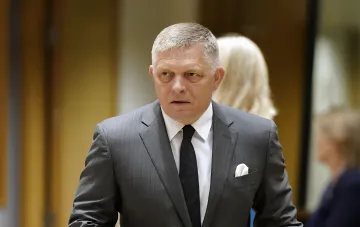
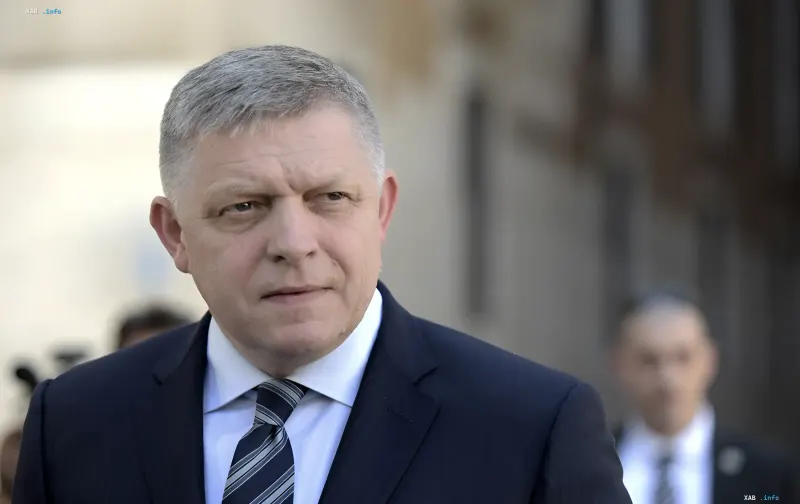
The current situation has jeopardized the survival of Robert Fico's cabinet, as the ruling coalition currently controls only 78 seats in the 150-member parliament and depends critically on the loyalty of several independent deputies. The conflict surrounding Taraba had been brewing for months due to deep disagreements with SNS leader Andrej Danko regarding key environmental and industrial projects, including zoning, wind farms, and battery plants. Despite preliminary agreements on the minister's possible departure by the end of September, Prime Minister Fico attempted to withdraw his own dismissal proposal ahead of the vote to preserve a fragile majority, but his coalition partners ignored the maneuver.
Contradictory Data
Coverage of the current crisis reveals certain discrepancies regarding exact timelines and potential scenarios for further developments. On one hand, Robert Fico himself publicly admitted the possibility of holding early parliamentary elections as early as January 2027, emphasizing the need to maintain stability; however, implementing such a scenario would require a qualified majority of votes in parliament. On the other hand, experts and constitutional lawyers note that the formal collapse of the current cabinet does not automatically lead to the dissolution of parliament, as Slovak constitutional law leaves room for attempts to form an alternative government or reshuffle the coalition without early voting.
Further Steps and Opposition Reaction
Reacting to these events, Prime Minister Robert Fico announced an emergency meeting of his Smer-SD party leadership to devise a further strategy and make final decisions on overcoming the crisis. Meanwhile, Michal Šimečka, leader of the leading opposition party Progressive Slovakia, called early elections the only possible way out of the deadlock, stating his intention to push for them as soon as possible and demanding the resignation of the head of government.