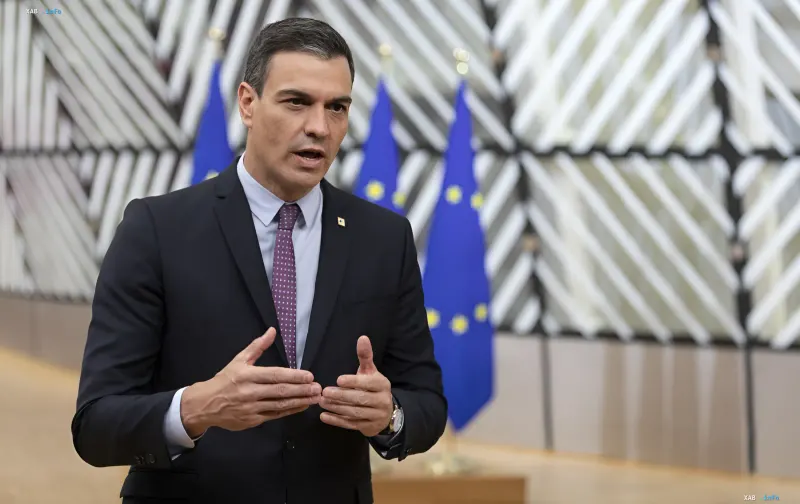
Spanish Prime Minister Pedro Sánchez has announced a dramatic step in his political career, deciding to dissolve the country's parliament and call general elections for November 29, 2026. This decision follows a series of severe political upheavals, including the defeat of key cabinet legislative initiatives in Congress and a powerful wave of social protests that swept across dozens of Spanish cities.
Causes and Triggers of the Political Crisis
The immediate catalyst for the dissolution of parliament was the defeat in Congress of two government housing decrees, which aimed to strengthen tenant protections and address the acute housing crisis in the country. Tensions escalated following the high-profile eviction from a Madrid apartment of 87-year-old Maricarmen Abascal, who had lived there since 1956. This triggered massive protests, with tens of thousands of citizens taking to the streets across the country to demand a fundamental overhaul of state housing policy.
Economic Context and Party Standings
Alongside the housing crisis, the standing of the socialist government has been severely undermined by corruption scandals and public dissatisfaction with economic conditions. Despite economic growth indicators, ordinary Spaniards face outstripping growth in prices and housing costs against a backdrop of stagnant real incomes. According to opinion polls, the center-right People's Party comfortably leads with 34 percent support, while Sánchez's Socialist Workers' Party trails at 26 percent, and the far-right Vox party is projected to win 18 percent of the vote.
Contradictory Data
While Pedro Sánchez frames the early elections as a principled battle to preserve Spain as a bastion of social justice and openness against a wave of right-wing regression, the opposition People's Party welcomed the dissolution of parliament with the phrase 'Finally', having demanded a change of government since late 2023. Sánchez himself argues that it is necessary to give the Spanish people the right to independently determine the country's destiny in an era of global geopolitical challenges, though critics point out that the premature termination of parliament's mandate is driven solely by the plunging approval ratings of the ruling coalition.
International Implications and the Future of the Left
The announcement of early elections in Spain could mark the end of the era of the last major socialist government in the European Union and remove one of Donald Trump's and Benjamin Netanyahu's fiercest critics from the forefront of European politics. Meanwhile, left-wing forces within the country approached the election campaign in a fragmented state: the socialists' coalition partner, the Sumar movement, is undergoing major reorganization and leadership changes, creating additional risks for forming a viable coalition in the future.