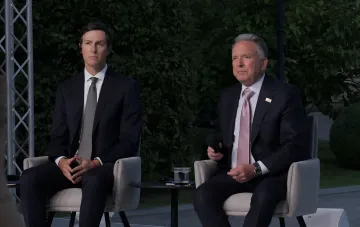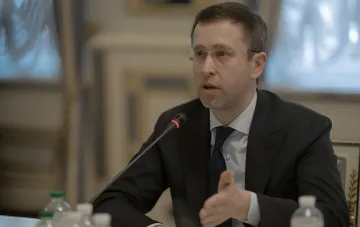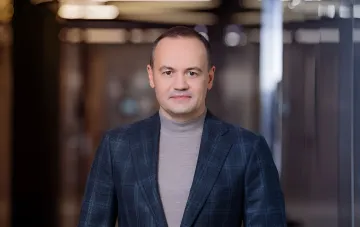
On November 16, 2026, a meeting of EU Foreign Ministers took place in Brussels, addressing two key areas of European security policy: prospects for peace talks on the Ukrainian conflict and the growing wave of cyberattacks affecting the infrastructure of European states. The discussion followed the format typical of regular EU Foreign Affairs Council consultations; however, according to Euronews, the agenda was significantly expanded this time to include two acute issues defining the continent’s current geopolitical landscape.
Sweden Advocates for Increased Support for Kyiv
One of the central demands voiced during the Brussels meeting was the position of Sweden, which is pushing for strengthened support for Ukraine. Stockholm, traditionally maintaining one of the toughest stances regarding Russian pressure in the post-Soviet space, is calling on EU allies not to slow the pace of aid to Kyiv. In the context of the November 2026 talks, this appeal gains additional weight: European capitals are increasingly discussing long-term commitments to Ukraine rather than just short-term packages. Sweden, as a member of NATO and the EU, is using its position to maintain the union’s course toward sustained support, preventing conflict fatigue among more “restrained” capitals.
Europe Seeks a Seat at the Negotiating Table
The second key point of the Brussels meeting is the European Union's desire to secure full participation in any peace talks concerning a Ukrainian settlement. The phrase “a seat at the negotiating table,” used in Euronews headlines, reflects Brussels' concern that key decisions on ending the conflict might be made in a format that excludes European institutions as equal participants. The EU, being the largest donor of aid to Ukraine, believes its role in post-war reconstruction and security guarantees must be solidified at the diplomatic level. Discussing this issue at the Foreign Minister level indicates that Brussels is moving from rhetoric to the development of concrete diplomatic mechanisms for presence in the negotiation process.
The Wave of Cyberattacks as a Security Factor
In addition to the Ukrainian issue, the meeting in Brussels addressed the growing wave of cyberattacks in Europe. According to data cited by Euronews, cyber threats have become one of the priority items on the agenda of the EU Foreign Affairs Council, indicating an intersection between foreign policy and internal security. Cyberattacks targeting critical infrastructure, energy systems, and government institutions are viewed in Brussels as a tool of hybrid pressure, closely linked to the overall context of geopolitical confrontation. Including this topic in the Foreign Ministers' meeting format, rather than just in specialized technical working groups, underscores the perception of cyber threats as an element of strategic rather than merely operational agendas.
Discussion Format and Participants
The analysis of the events at the Brussels meeting was presented in the Euronews program “Europe Today,” where the discussion of key agenda items was led by Maria Malmer Stenergard and Johan Lepassar. The program, part of the daily Euronews information cycle, is focused on examining current European political topics with the involvement of experts and analysts. The episode reviewed both the diplomatic aspects of the Ukrainian settlement and the practical consequences of cyberattacks for European infrastructure. Euronews, whose fact-checking editorial office is based in Brussels, traditionally accompanies such events with an analysis of official statements and verification of information circulating in the media landscape.
Significance of the Meeting for Future EU Policy
The meeting of EU Foreign Ministers on November 16, 2026, marks two parallel vectors of European policy: a foreign policy aspiration for active participation in settling the Ukrainian conflict and an internal strengthening of cyber defense. Both directions are essentially interconnected: the resilience of European infrastructure and the EU's ability to act as a unified diplomatic entity depend on solving both tasks. Sweden’s stance on strengthening support for Ukraine and Brussels' general course toward securing a place at the negotiating table form the framework within which European security policy will be built in the coming months. Future meetings of the EU Foreign Affairs Council will likely continue work on concrete mechanisms for both diplomatic presence and the coordination of cyber defense at the union level.