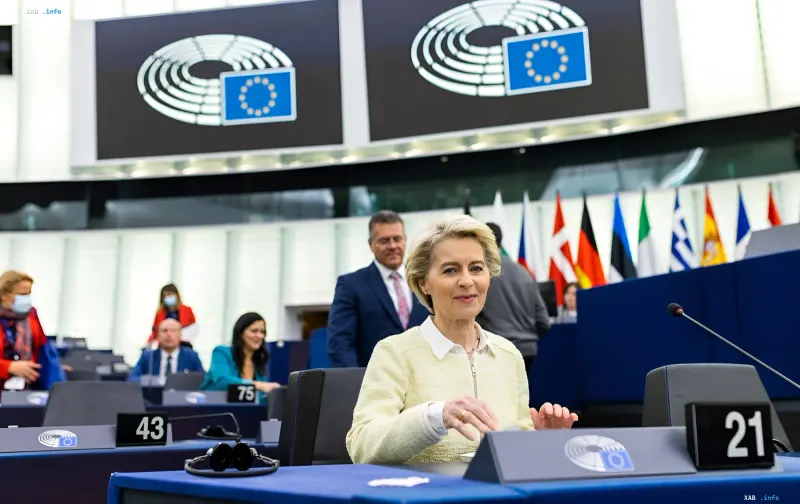
European Union member state ambassadors have agreed on a new package of restrictive measures against Russia, including 145 individuals and legal entities. This is reported by RBC-Ukraine, citing Reuters and Radio Liberty journalist Rikard Jozwiak, who published the details on social media X. According to European diplomats, the blacklists are formed along three different tracks: the main sanctions regime, the hybrid attacks and disinformation regime, and a separate list for countering cyberattacks.
Three Tracks of Restrictions
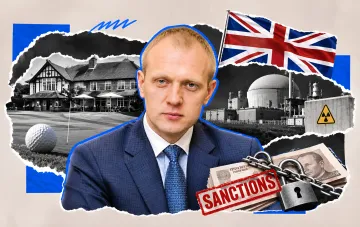
The majority of those targeted—113 individuals and organizations—have been added to the main sanctions regime for undermining Ukraine's territorial integrity. This group includes 12 individuals and 101 companies, including 50 Russian banks, energy enterprises, service providers for the Russian shadow fleet, and a number of business leaders. Another 31 entities (30 individuals and one organization) fall under the regime for hybrid attacks and disinformation, while one organization has been added to a separate EU sanctions list aimed at countering cyberattacks.
Banks, Shadow Fleet, and Energy
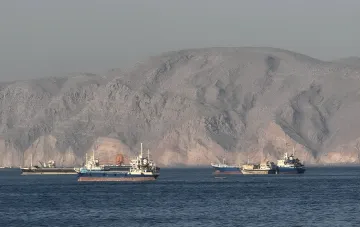
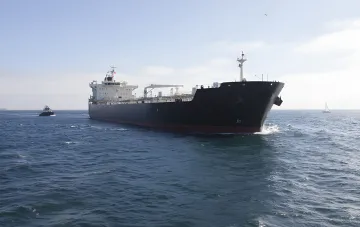
According to the agreed lists, the main regime now encompasses approximately 4,500 entries in total. Among the new listings are participants in the Russian financial system, notably 50 banks, as well as energy sector companies and structures ensuring the operation of the shadow fleet. The restrictions affect both financial institutions and business leaders involved in circumventing existing limitations.
Response to the Leipzig Incident
According to a diplomatic source, the restrictions concerning 31 individuals involved in information manipulation in foreign states were a response to the drone attack attempt at the German airport Leipzig/Halle, which Berlin blamed on Moscow. Thus, the EU's sanctions line on disinformation and hybrid threats is directly linked to a specific incident on German territory.
Cyber Sanctions and Ukrainian Initiative
Separately, one organization has been added to the EU sanctions list for countering cyberattacks. The context for the new package includes active work by Kyiv: in late October, Ukraine handed over six packages of sanctions against Russian enterprises developing and manufacturing ballistic missiles to Europe. On October 24, Ukrainian President Volodymyr Zelenskyy signed a decree imposing sanctions on companies and individuals helping Russia produce ballistic missiles, including suppliers of equipment and components for drones, military aviation, armored vehicles, and missile weapons.
Final Approval on November 16
EU foreign ministers are expected to finally approve the new package on November 16, after which the restrictions will enter into force. This is a continuation of the policy to expand sanctions pressure: in October, EU foreign ministers already approved the largest expansion of sanctions against Russia since the start of the full-scale invasion in 2022, which included nearly 1,600 new entries.