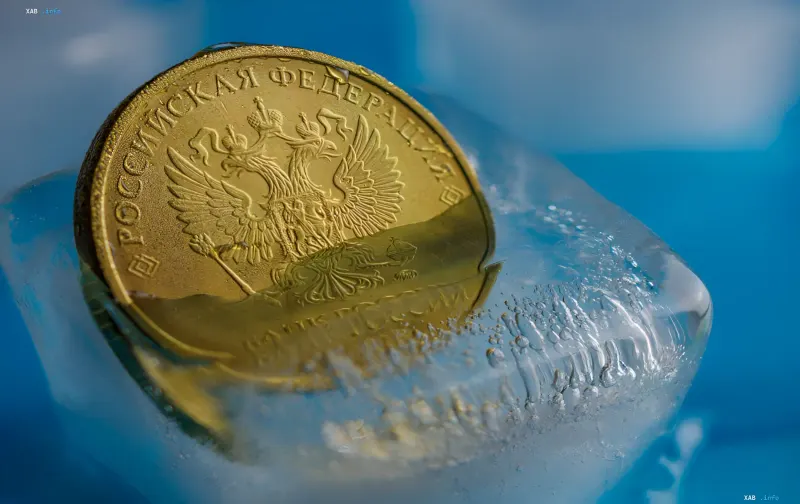
The volume of Russian assets frozen in Switzerland has increased to $10.2 billion. This was announced at a conference in Geneva by Daniel Äbi, head of the sanctions unit at the Swiss State Secretariat for Economic Affairs (SECO). According to him, the current figure is 15% higher than the level of April 2025, when 7.4 billion francs in Russian assets were blocked in the country. The growth is linked to the consistent introduction of EU sanctions against Russian politicians, oligarchs, and companies connected to the Kremlin.
Two growth factors: new freezes and rising gold prices
As a representative of the agency explained, the increase in the total value of assets is driven not only by the freezing of additional property and funds, but also by the appreciation of some previously blocked assets, including those stored in gold. Thus, the indicator's dynamics reflect both the expansion of the list of sanctioned individuals and the market value of reserves, which is important to consider when interpreting official statistics.
Why Central Bank assets «declined in value» — and why this is not unfreezing
At the same time, the value of the Central Bank of Russia's assets in Switzerland decreased by 9% compared to the figure 18 months ago and currently stands at 6.8 billion francs. Äbi emphasized that this does not mean the unfreezing of Russian funds: the decline is due to the depreciation of the currencies in which these assets are held. Distinguishing between these two trends — the growth in total volume and the fall in the value of the Central Bank's reserves — is key to a correct understanding of sanctions policy.
Abandonment of neutrality and consequences for the banking sector
Following the outbreak of Russia's full-scale invasion of Ukraine, Switzerland moved away from its traditional policy of neutrality and joined the European Union's sanctions. This decision was of particular significance for the Swiss financial sector: according to the Swiss Bankers Association, shortly after the start of the full-scale war in 2022, local banks held at least 150 billion francs in Russian assets. Joining the EU restrictions sparked internal discussions — proponents believed it necessary to support the European position, while opponents feared negative consequences for the country's competitiveness and the attraction of foreign capital.
Combating sanctions evasion and the international context
In August 2026, Switzerland joined the 20th package of EU sanctions against Russia, as a result of which asset-freezing restrictions apply to approximately 2,790 individuals and legal entities. In addition, according to Äbi, SECO has received over 870 notifications regarding potential cases of sanctions evasion; a year and a half ago, there were about 600 such reports. Simultaneously, the use of revenues from frozen Russian assets is being recorded in other jurisdictions: reports indicate that the Belgian depository Euroclear has received 3.6 billion euros in interest income since the beginning of 2026, and France has directed a portion of such revenues to maintain CAESAR howitzers supplied to Ukraine.