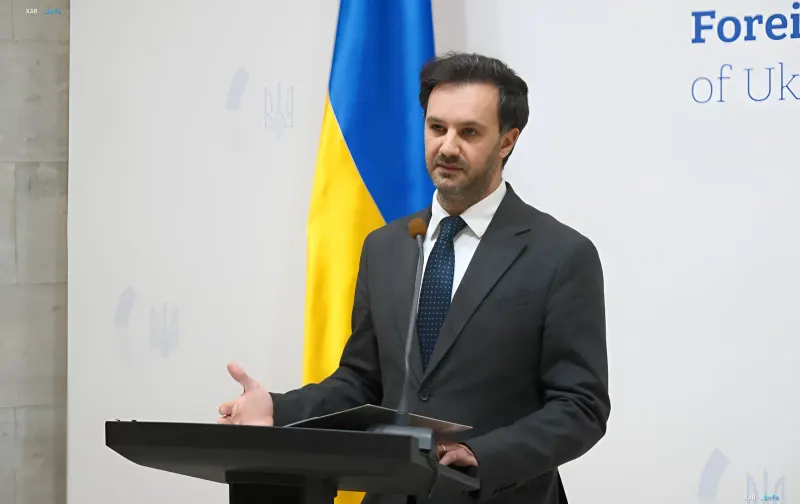
Ukraine has handed European partners six packages of sanctions proposals targeting Russian enterprises that develop and manufacture ballistic missiles. This was announced during a briefing by the spokesperson for the Ministry of Foreign Affairs of Ukraine, Heorhii Tykhyi, who noted that the agency is conducting a special sanctions campaign against Russian rocket engineering. According to him, Foreign Minister Andrii Sybiha raises the issue of tightening such restrictions at almost every round of negotiations with European colleagues.
Six Packages of Restrictions Against Rocket Engineering
As Tykhyi explained, the six packages of measures already handed over to partners directly concern Russian plants and research institutes involved in the development and production of the Iskander-M, RM-48U, and other similar ballistic systems. This means that sanctions pressure is concentrated not on individual figures, but on specific production and research sites that are part of the ballistic weapons supply chain.
Expanding the Scope: Cruise Missiles and Attack Drones
Work on restrictions against the Russian military-industrial complex is ongoing, according to the MFA representative. In particular, Ukrainian diplomats are developing measures against enterprises producing cruise missiles and attack unmanned aerial vehicles. Thus, the focus of the sanctions campaign is gradually shifting from ballistics to a broader spectrum of destruction means used against Ukrainian infrastructure.
Countering the "Rassvet" Satellite System
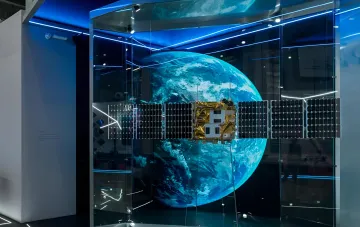
A separate area of work for the Ukrainian MFA is countering Russia's plans to launch the "Rassvet" satellite communication system. According to Tykhyi, the agency is working on this issue jointly with the Ministry of Digital Transformation. Kyiv seeks to prevent the use of this system for the remote control of jet-powered Shahed drones and other destruction means used against Ukrainian cities. "Our task, among other things, is to ensure that jet-powered 'Shaheds' and other means do not fly over Ukrainian cities under the remote control of Russian operators using systems such as 'Rassvet'," the spokesperson explained. To counter this, Ukraine is interacting with Euro-Atlantic partners both within the International Telecommunication Union and at the bilateral level.
The Role of the US and the China Factor
According to the MFA, Ukrainian diplomats have already raised the issue of "Rassvet" twice during meetings with US congressmen. In Kyiv, they believe that Washington can play a significant role in preventing the launch of the Russian satellite system. Tykhyi emphasized that this is not only about countering Russia, but also about confronting China, and expressed confidence that the United States is interested in joining this work.
Frozen Russian Assets and Financing Mechanisms
Separately, the MFA representative spoke about the agency's participation in the interdepartmental working group on the use of Russian assets, headed by Prime Minister of Ukraine Serhii Koretskyi. According to Tykhyi, partner countries have collectively frozen about 330 billion euros of Russian assets in various jurisdictions. Ukraine continues negotiations with partners on creating new mechanisms that will ensure long-term financing of the country at the expense of these resources.
Context: Sanctions of October 24
Recall that on October 24, 2026, President of Ukraine Volodymyr Zelenskyy put into effect sanctions against manufacturers of Russian ballistics and suppliers to the Russian defense-industrial complex. The sanctions lists, in particular, included the enterprises "Kometa", "VitaReaktiv", "Pressmash", and companies of the industrial group "RUSAL", whose products, according to Kyiv, are used in the production of missiles, drones, and other military equipment. The transfer of six packages of proposals to European partners logically continues this line, translating national restrictions into the plane of coordinated international pressure.