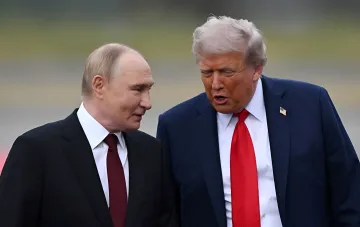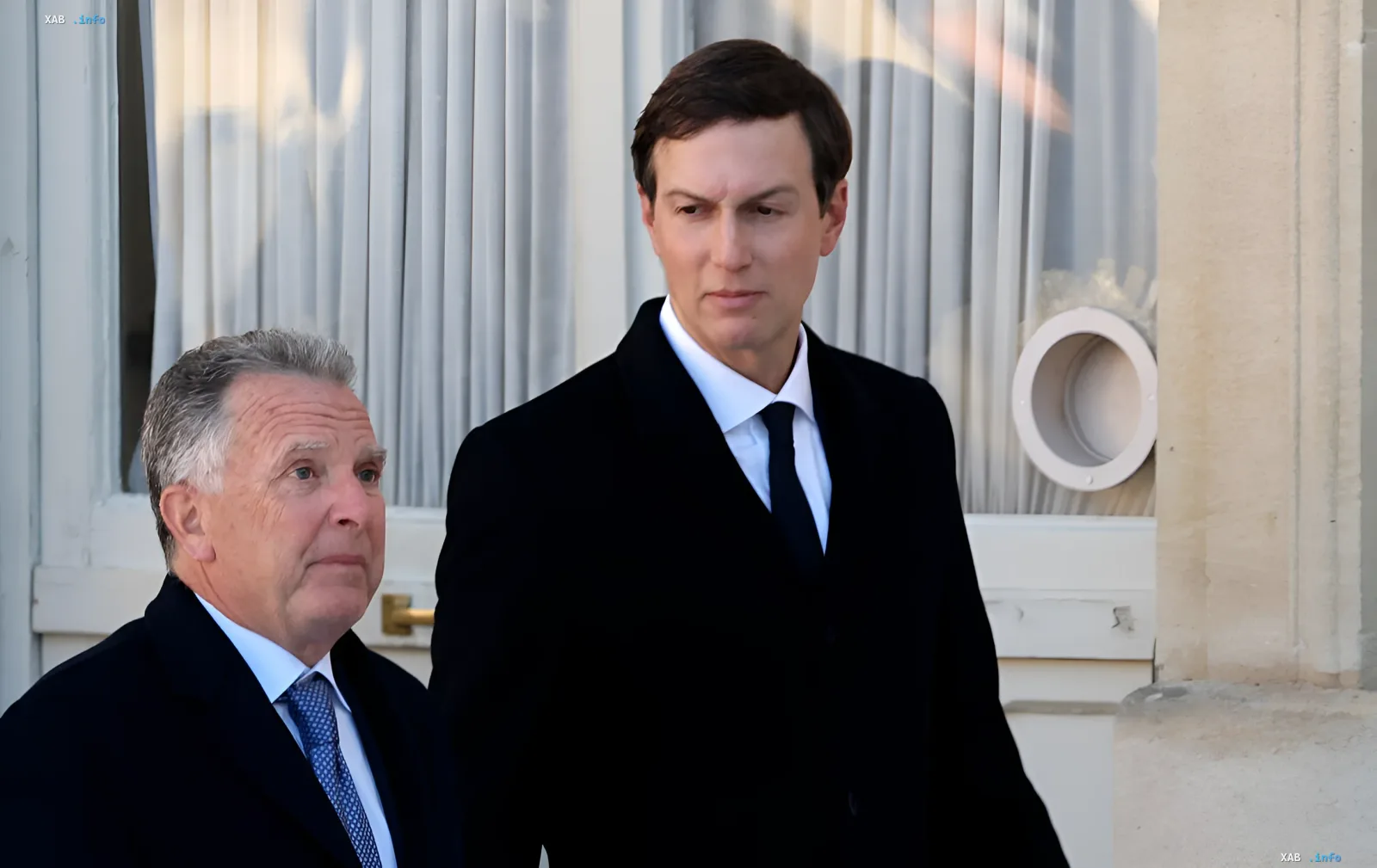
American diplomatic circles have initiated a proposal to partially unfreeze frozen sovereign assets of the Russian Federation. According to the authoritative Financial Times, this proposal was voiced during a recent closed meeting in Miami, where the American side was represented by Presidential Special Envoy Steve Witkoff and Jared Kushner. The main goal of this initiative is stated as an attempt to create incentives for resuming the stalled negotiation process to resolve the conflict.
The Essence of the US Proposal and Washington's Stance
During the discussions, Washington invited European partners to consider several practical scenarios for releasing part of the blocked funds. The core idea is to transfer these finances into a special international mechanism under the direct control of the United States. However, at this stage, the specific parameters of such a mechanism, the exact volumes of assets to be unfrozen, and the target areas for their spending remain undefined, raising numerous questions among the expert community.
European Allies' Reaction and Belgium's Position
The American delegation's proposal met with fierce resistance from European allies and was rejected during initial discussions. Notably, the total volume of frozen Russian assets in EU and G7 countries is estimated at around 300 billion euros, with the lion's share — about 180 billion — concentrated in the accounts of the Belgian depository Euroclear. The Belgian leadership has repeatedly emphasized its categorical stance against risky manipulations of these funds, while other European actors are looking for legal loopholes to channel them to Ukraine's needs.
The Ukrainian Vector and Alternative Financial Mechanisms
Against the backdrop of a massive state budget deficit, official Kyiv continues to insist on transferring all frozen Russian assets to finance defense needs and post-war reconstruction. Ukrainian Foreign Minister Andrii Sybiha regularly emphasizes the necessity of using these funds. Simultaneously, the Parliamentary Assembly of the Council of Europe (PACE) and other European structures are discussing alternative options, including the establishment of special funds based on European Court of Human Rights precedents capable of bypassing existing national vetoes by EU member states.
Controversial Data
Severe disagreements persist within expert and diplomatic circles regarding the legality and feasibility of the scheme proposed by Washington. On one hand, American negotiators insist on the pragmatic use of frozen billions as a leverage point on the geopolitical situation and a tool to force peace. On the other hand, European lawyers and several EU ministers point to colossal legal risks, undermining confidence in the European financial system, and a direct conflict with Belgium's position, which fears lawsuits from Russia and destabilization of Euroclear operations.