US Energy Secretary Chris Wright has stated that a new energy agreement between Washington and Moscow is tied to the prospect of ending the conflict in Ukraine. According to him, the opportunity for Russia to export diesel fuel to global markets should serve as an incentive to reduce the intensity of hostilities and move toward a peaceful settlement.
A 'Carrot' Instead of a 'Lifeline'
Wright stressed that the proposed agreement is not economic support for the Russian side. "This is a carrot to try and end the war. This is not an economic lifeline for Russia," the minister stated. Thus, Washington is positioning the arrangement as a tool of encouragement and pressure, rather than as a channel for financing or relieving the Russian economy.
Conditions Under Which Russia Will Benefit
According to Wright, the benefit from the decision will only materialize for Moscow if it actually begins exporting diesel fuel. To do this, the minister explained, Russia would either have to reduce domestic diesel consumption, scale back its military efforts, or gain the ability to repair its refining capacities. "And it will only be able to do that thanks to a peace agreement with Ukraine, an energy truce, or a step toward peace," he added.
Sanctions Context and Oil Exports
Wright noted that Russia currently exports oil, but its exporters face "very tough" US sanctions. In this logic, permission to supply diesel fuel to global markets is offered as a differentiated incentive: if Russia scales down the conflict or agrees to an energy truce, restrictions on diesel exports could be eased.
Background: Recent Statements by the US President
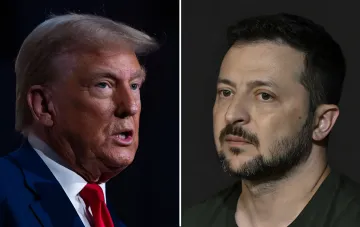
The minister's statement came against the backdrop of recent remarks by US President Donald Trump, who did not hold Russia responsible for starting the war and stated that it is "easier to deal" with Vladimir Putin than with Ukrainian President Volodymyr Zelenskyy. These words set the general tone for Washington's negotiating stance toward Moscow and emphasize that the energy topic is being used as part of a broader diplomatic strategy.