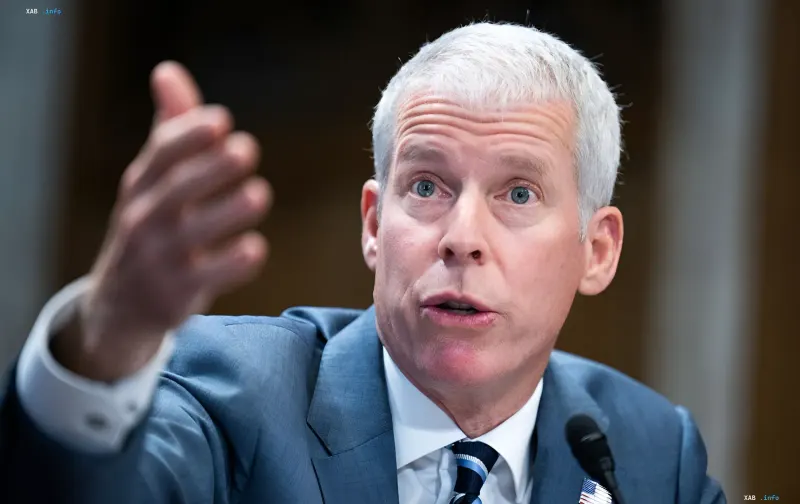
US Energy Secretary Chris Wright said in an interview with CNBC that the diesel fuel agreement reached between Washington and Moscow is designed to show Russia the economic benefits of ending the war against Ukraine. According to him, the administration of President Donald Trump is using "different diplomacy" to achieve a goal that has "not yet been reached." "This war is almost 5 years old. It is a bloody, terrible war. It is not going well for Russia. It is a catastrophe for Ukraine, and President Trump is trying to find a way to bring peace," the US Energy Secretary emphasized.
A "Carrot," Not Sanctions Relief
Wright explicitly rejected interpreting the deal as a concession to Moscow. "Everyone calls this easing the situation with Russia. That is not true. This is an attempt to dangle a carrot in front of Russia: you can de-escalate the conflict, you can produce slightly more diesel fuel than you consume, and we will allow it to flow into world markets. Therefore, look at this as an incentive to end the war," the minister explained. According to his assessment, Russia is currently unable to export diesel because it is facing a domestic fuel shortage.
Diplomatic Background: October 9 Phone Call
The diesel agreement became one of the outcomes of a phone call between US and Russian Presidents Donald Trump and Vladimir Putin, which took place on October 9, 2026. As part of the arrangement, the US Department of the Treasury issued a temporary license suspending certain sanctions and allowing Russia to begin exporting diesel to the American and global markets. Amid the announcement of the deal, quotes on the Moscow Exchange surged, and Ukrainian President Volodymyr Zelenskyy, according to Ukrainian and Russian media reports, expressed dissatisfaction, stating that Kyiv had not been warned about Moscow's and Washington's plans and that such an agreement was "unfair".
Moscow's Stance: Restoring Exports
In the Kremlin, the deal is viewed primarily through the prism of restoring export flows. The Russian side stated its intention to fully restore diesel fuel export volumes following the agreement with the US, prepare the first shipment to the US market, and expand the circle of buyers on the global market. Thus, Washington and Moscow interpret the same document differently: Washington calls it an instrument of pressure on Moscow for the sake of peace, while the Kremlin calls it a step toward returning to energy markets.
Assessments and Risks
Observers are divided in their forecasts of the deal's consequences. For instance, retired US Army Lieutenant Colonel Daniel Davis stated in a public broadcast that the diesel agreement might, conversely, accelerate the failure of Russian military plans by opening access to markets and reducing incentives for escalation. In any case, as Chris Wright emphasized, for Washington, the key criterion for the deal's success will not be the volume of shipments itself, but whether it demonstrates to Moscow that the economic benefits of ending the war outweigh those of continuing it.