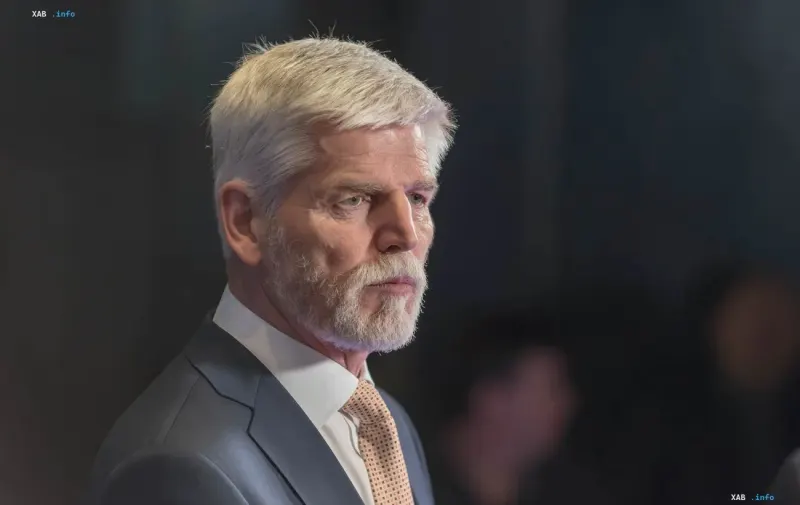
The truce between Russia and Ukraine was within arm's reach until US President Donald Trump decided to lift sanctions on Russian diesel fuel supplies. Czech President Petr Pavel stated this in an interview with the Axel Springer Global Reporters Network, emphasizing that this step by Washington significantly weakened Kyiv's negotiating position and allowed Moscow to ease the pressure of sanctions.
The Impact of the Fuel Deal on the Geopolitical Balance
According to the Czech leader, coordinated sanctions from the US and European nations against the Russian oil industry, key oligarchs, and other economic sectors had effectively constrained Russia's capabilities. However, the fuel agreement announced by the White House earlier this month changed the balance of power. Under this arrangement, Russia will supply hundreds of thousands of tons of diesel fuel to the United States, which, according to Washington's assessment, is intended to stabilize global prices and saturate the market.
Petr Pavel noted that such a measure provided the Kremlin with a necessary respite and a strong moral boost. The Russian side gained the opportunity to use this momentum to escape severe economic pressure, which, in the view of the Prague administration, makes the prospects for achieving a peaceful settlement significantly more vague and distant.
Washington's Stance and Support for Ukrainian Leadership
The Czech president also drew attention to the shifting rhetoric of the US administration and expressed open support for Ukrainian President Volodymyr Zelenskyy, who has recently faced criticism from the White House. Pavel characterized Donald Trump's approach to the Russian leadership as more open compared to the stance of most European politicians, while suggesting that the American president may be attracted by the image of a strong leader.
At the same time, the Czech president emphasized that the actions of the American side are dictated primarily by the desire to ensure the economic prosperity of the United States rather than an ideological struggle between democratic and autocratic regimes. Commenting on the prospects for restoring full economic ties between Europe and Moscow, Pavel did not rule out the resumption of Russian oil purchases in the future, but pointed out the need for a fundamental change in the Kremlin's policy regarding the sovereignty and borders of other states.
Prospects for Settlement and Upcoming Summits
The situation surrounding the peace process is developing against the backdrop of Washington's statements that the parties have supposedly never been so close to resolving the conflict. According to incoming reports, the US administration expects a peace agreement to be signed between Volodymyr Zelenskyy and the Russian leadership during the upcoming G20 summit scheduled for December in Florida.
Nevertheless, experts and European leaders fear that reaching agreements may be accompanied by serious political pressure on Kyiv. The White House's refusal to tighten restrictive measures against Moscow, combined with new economic agreements, creates fundamentally new conditions for further diplomatic dialogue.