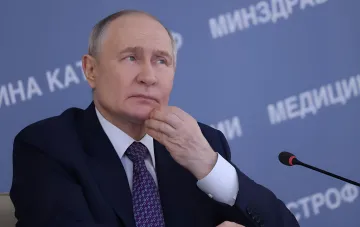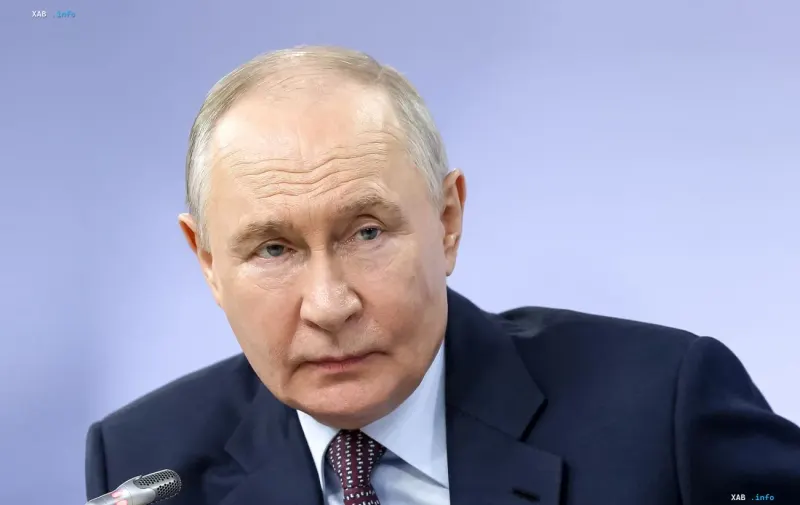
Russian leader Vladimir Putin, during an interview with propagandist Pavel Zarubin, publicly addressed the topic of Western sanctions against the Russian Federation and acknowledged certain difficulties facing the Russian economy. According to him, foreign companies that left the market under pressure from Western European governments did so reluctantly, and some European partners allegedly almost cried due to the need to wind down their businesses.
Statements on European Business and Sanctions Policy
In his speech, Putin noted that Russia retains many supporters and partners in Europe despite geopolitical tensions. The head of state emphasized that some foreign enterprises continue their operations in the Russian Federation, and the Russian authorities strive to create favorable working conditions for them. At the same time, he called the practice of introducing large-scale bans and restrictions on Russian goods and services erroneous and impractical.
Such statements were made against the backdrop of an ongoing process of transferring the Russian assets of a number of major foreign companies under temporary external management. Previously, relevant decisions affected such international brands as Switzerland's Nestle, American packaging manufacturer Aptar, German hypermarket chain Metro, French retailer Auchan, logistics group FM Logistic, and the 'Lemana PRO' DIY hypermarket chain, which previously operated under the Leroy Merlin brand.
Context of Foreign Asset Seizures
The Kremlin argued that these measures were necessary to respond to the actions of states included in the official list of 'unfriendly' nations. The position of the Russian side is that these countries are actively involved in sanctions pressure and are damaging Russia's economic infrastructure. Another step in this direction was the introduction of temporary management regarding the Russian assets of the French company Tarkett, one of the world leaders in the production of floor coverings.
Consequences and Further Developments
Experts note that regular statements by Russia's top leadership regarding sanctions and the fate of foreign business reflect the general trend of restructuring the national economy under severe trade restrictions. The process of nationalization and the transfer of foreign assets under temporary control demonstrates the authorities' desire to tighten control over key market sectors. Further developments will depend on the operational stability of the remaining foreign enterprises and response measures from Western regulators.