The European Union has begun preparations for the twenty-second package of economic sanctions against Russia, which, according to European diplomats, will be officially presented by the end of November and finalized in December. The initiative comes against the backdrop of intensifying Russian airstrikes on Ukrainian energy infrastructure, which, in Brussels' assessment, are intended to make the winter period unbearable for Kyiv. The urgency of the situation, as High Representative for Foreign Affairs and Security Policy Kaja Kallas emphasized, is further heightened by Moscow's demands to redraw Europe's security architecture, which Brussels has labeled "absurd."
Consultations and 'Confessionals': How Brussels Tests the Waters
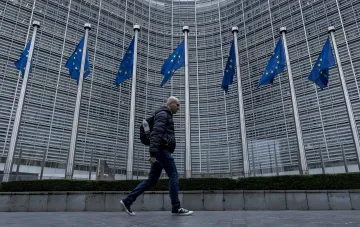
On Tuesday, the European Commission began formal consultations with member states on the content of the future package. This process, known in diplomatic circles as "confessionals," is designed to gauge the positions of capitals in advance and avoid surprises during the final approval stage. Parallel to the sanctions track, efforts are underway to move peace talks into a multilateral format where representatives of Europe and Russia sit at the same table. Despite pressure from the US, Moscow continues to resist such a format, claiming that Europe should first make a "constructive, substantial contribution." Brussels does not rule out that Russian officials may use the announcement of new sanctions as a pretext to further refuse direct negotiations with the European delegation.
Goals of the New Package: Banks, Crypto Assets, and the 'Shadow Fleet'
According to reports, restrictive measures will primarily target Russia's banking sector, cryptocurrency channels through which Moscow bypasses traditional payment systems, and the dilapidated "shadow fleet" used to circumvent the oil price cap. Combating sanctions evasion will take center stage in the proposal: the European Commission has already established a dedicated sanctions unit designed to strengthen enforcement within the block and curb actions by countries that, according to Brussels, are helping Russia bypass the restrictions. European Commission President Ursula von der Leyen, upon arriving in Dublin for the European Political Community summit, confirmed that the EU is preparing the 22nd sanctions package and proposals for financing Kyiv for 2027, which she intends to present before the European Council meeting scheduled for November 26–27 in Brussels.
Lessons from the Past: Why Brussels Revised its Working Methods
Preparation for the new package is taking place in an atmosphere shaped by the negative experience of the previous cycle. At that time, a number of member states imposed vetoes to weaken, delay, or completely remove provisions they disliked, and the chaotic negotiations left officials and diplomats with a bitter taste, forcing a revision of working methods. Recently, the bloc has focused on targeted measures—personal sanctions against individuals, companies, and organizations, which were assumed to be easier to agree upon. This logic was broken in September when France shocked its partners by demanding the extension of sanctions status for Russian oligarch Akhmet Usmanov to secure the release of two citizens detained in Azerbaijan. Now, the focus is shifting back to large-scale measures that have become one of the key tools of European strategy in pressuring Russia.
Sanctions and Negotiations: Parallel Tracks
The 22nd package is not expected to include high-profile, attention-grabbing measures, allowing negotiations to proceed calmly and conclude in December. The prevailing view in Europe is that Russia is not serious about peace talks, as evidenced, according to Brussels, by the relentless strikes on Ukraine aimed at crippling the energy system and causing widespread power outages during the freezing cold. At the same time, as one senior diplomat noted, the interest of member states in new sanctions is not waning: "While negotiations continue, it is important to show that European partners are firm in their support for Ukraine and in pressuring Russia." Von der Leyen, for her part, stated that the EU welcomes the talks in Abu Dhabi and will support Ukraine "during the war or during peace."
The Winter Factor: Ukraine's Energy System and 45 Billion Euros
Kyiv has already asked Brussels to increase humanitarian aid to maintain energy supplies and support the economy during the harshest winter since the start of the war. In this context, the European Commission will present its proposal on Wednesday for a 45 billion euro support loan to Ukraine to cover its financial deficit in 2027. Thus, the sanctions and financial tracks are linked into a single strategy: pressuring Russian evasion channels is combined with long-term financing intended to maintain the Ukrainian economy and energy system in the face of winter strikes.