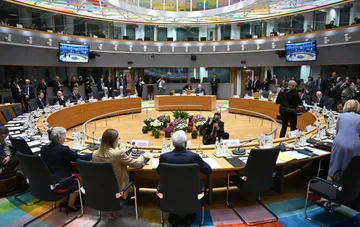
The European Union continues to work on a new set of restrictive measures against Russia. According to Bloomberg, citing anonymous sources familiar with the situation, Brussels is preparing a package that could include over 100 new sanctions. Their focus is on the energy sector, the banking system, and the so-called shadow fleet of the aggressor state. As the sources specify, EU foreign ministers are expected to approve these restrictions during a meeting on November 16 in Brussels.
What exactly will be under restrictions
According to Bloomberg, the new measures are aimed primarily at three areas: energy, the banking sector, and Russia's shadow fleet. Previously, EU ambassadors had already agreed on a separate sanctions package that included 145 individuals and entities. The restrictions in this package cover Russian banks, shadow fleet vessels, as well as individuals involved in cyberattacks and the spread of disinformation. Thus, work on sanctions is being conducted in parallel on several levels — from coordinating lists at the ambassador level to final approval at the ministerial level.
Response to the rise of hybrid attacks
According to Bloomberg sources, the new EU sanctions response is motivated by the increase in the number of so-called hybrid attacks linked to Russia. Examples cited include cyberattacks, arson, and a failed drone attack on an airport in Germany. This trend, according to the publication, became one of the key arguments for increasing pressure on Moscow as part of the new package.
Timeline: November 16 and the December meeting
According to the same sources, approval of the current set of sanctions is expected at the EU foreign ministers' meeting on November 16 in Brussels. Simultaneously, the EU is preparing a 22nd package of sanctions against Russia, which, according to Bloomberg, could be adopted at the next EU Foreign Affairs Council meeting in December. Thus, Brussels is building a phased sanctions agenda: first the approval of the current set, then a larger 22nd package.
Financial aid to Ukraine for 2027
Beyond the sanctions front, the European Commission, as reported earlier by RBC-Ukraine, is preparing a new package of anti-Russian sanctions and financial aid to Ukraine for 2027. A detailed proposal for securing Ukraine's financial needs for 2027 is being formed in parallel. This means that the sanctions and financial agendas in Brussels are being considered in conjunction: restrictions against Russia are accompanied by long-term planning for supporting Kyiv.
Context: US position on the shadow fleet
Against the backdrop of increasing European pressure, the American stance is also being discussed. According to Reuters, the administration of US President Donald Trump is considering easing sanctions on so-called "shadow fleet" vessels — primarily to lower record-high shipping rates and increase supplies of oil and fuel from the Persian Gulf. This involves granting permission to transport "legal" oil and petroleum products using vessels previously under sanctions. Trump had previously temporarily lifted sanctions on Russian diesel fuel, which drew criticism from Ukrainian President Volodymyr Zelenskyy, European countries, and some Republican senators. In this context, Ukraine has called on G7 nations to strengthen its air defense, provide additional energy assistance, and impose tougher sanctions on Russia.