The European Union is in the final stages of preparing its 22nd package of restrictive measures against Russia. According to information received from a high-ranking EU official, the new package will target cryptocurrency organizations, banks, vessels of the Russian 'shadow fleet', as well as former Russian military personnel and athletes residing within the union. This was reported by RBC, citing a source in Brussels.
Trigger: Incidents on European Territory
The key factor that accelerated the approval of the new package was a series of incidents that occurred in European countries over recent months. According to the official, these involve arsons, attempted sabotage at critical infrastructure facilities, and airspace violations. European capitals suspect that these cases may be linked to Russian intelligence services. These very events, the publication's source notes, helped EU member states overcome differences and align their positions on tightening sanctions pressure on Moscow.
Financial Contour: Crypto Platforms and Banks
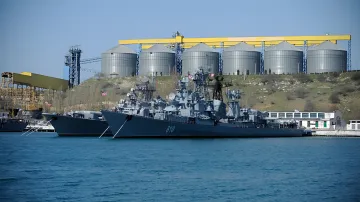
A significant part of the new package aims to close financial channels through which Russia circumvents existing restrictions. Restrictions on cryptocurrency platforms and banks are designed to block alternative routes for the movement of funds that do not fall under traditional banking controls. Concurrently, the expansion of sanctions against 'shadow fleet' tankers is intended to reduce Russia's oil revenues, depriving it of the ability to export hydrocarbons via vessels that are neither insured nor serviced in jurisdictions adhering to European restrictions.
Visas and Sports: Where the Dispute Was
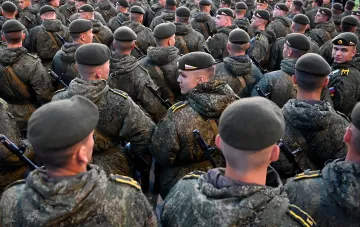
A separate area of the 22nd package concerns former Russian combatants and athletes. The idea of banning visa issuance to former Russian military personnel had previously faced resistance from several member states. France and Italy opposed a total ban: both countries receive a significant flow of applications for Russian visas and expressed doubts about whether the enforcement of such a restriction could be practically ensured. Nevertheless, according to the source, within the framework of the new package, the issue will likely be resolved in favor of introducing restrictions. A separate block of measures will target Russian athletes currently on the territory of the European Union.
Context: Accelerated Dynamics of Sanctions Pressure
The preparation of the 22nd package unfolds against the backdrop of an intensive expansion of the sanctions perimeter. The previous, 21st package was approved on July 23, 2026, and became the largest in four years, encompassing 218 individuals and legal entities. Already on November 16, 2026, the EU introduced additional restrictions against 12 individuals and 101 companies and organizations, including nearly 50 Russian banks, nine oil refineries and petrochemical plants, as well as companies and businessmen associated with the 'shadow fleet'. According to Gazeta.ru, EU member states, together with Ukraine, are rushing to adopt the new measures before the presidential election in France, creating additional political pressure to approve the package in a compressed timeframe.
What's Next
Formal approval of the 22nd package is expected in the coming weeks. As with previous rounds, the exact list of individuals and organizations falling under the restrictions will be published in the Official Journal of the EU after the completion of interinstitutional approvals. Analysts note that the focus on cryptocurrency tools and the 'shadow fleet' reflects Brussels' attempt to close the most vulnerable points in the existing sanctions architecture, which Russia actively uses to minimize economic pressure.